Circle moves native USDC offering to Cosmos mainnet
The issuer behind the second-largest stablecoin is continuing its foray into permissionless transfers
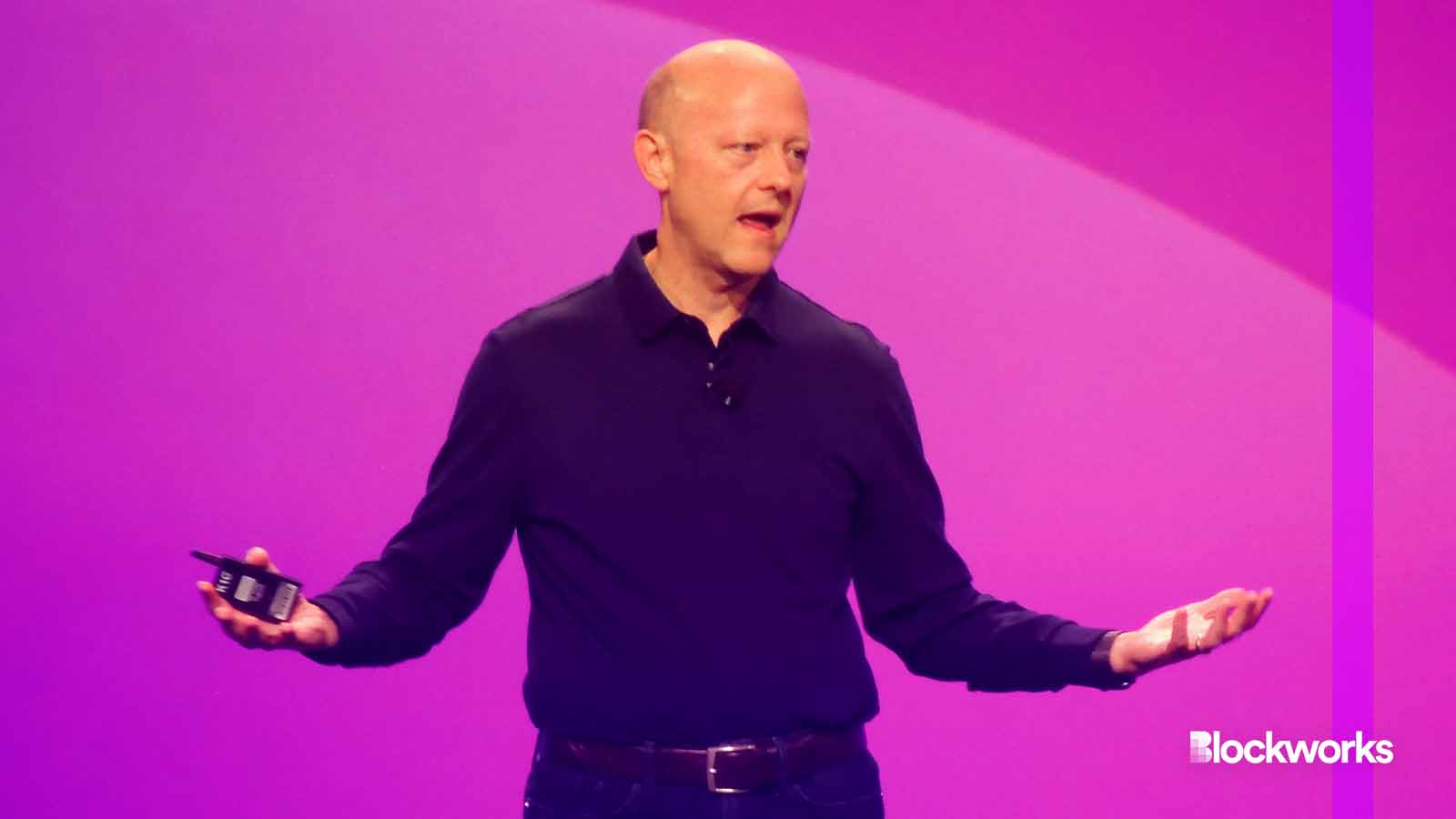
Circle CEO Jeremy Allaire | Nikhilesh De/CoinDesk/”Circle CEO Jeremy Allaire speaks at Converge 2022″ (CC license)
Circle has moved its cross-chain transfer protocol (CCTP) to mainnet on Noble, allowing USDC to be natively minted within Cosmos’ inter-blockchain communication protocol (IBC).
By facilitating easier cross-chain transactions, Circle seeks to improve the utility of USDC, potentially helping to break a prolonged slump in its market capitalization.
Noble joins the likes of Arbitrum, Avalanche, Base, Ethereum and Optimism in allowing native USDC minting via the CCTP. The CCTP is on Solana’s testnet.
Circle’s cross-chain protocol lets users create Noble USDC that can be moved to other Cosmos apps like Osmosis or dYdX. The total supply of Noble USDC is already above $20 million, according to MintScan.
The CCTP employs a burn-and-mint mechanism to facilitate the native creation of USDC across different blockchains. In this process, USDC is removed from circulation on the source chain (burned) and then recreated (minted) on the destination chain, based on a verification (attestation) by Circle’s system.
This approach, focusing on direct asset transfer, stands in contrast to token bridging, where assets are locked on one chain in exchange for equivalent wrapped tokens on another. The direct burn-and-mint method has seemingly gained preference over time, particularly in light of multiple high-profile hacks associated with token bridging.
If users want to remove USDC from Cosmos through Circle’s protocol, they must go through Noble. Circle says trying to move funds to a Circle account from any other app in the IBC “could result in a loss of funds.”
USDC’s market cap is mired in over a year of decline since its $55 billion peak in mid-2022. USDC’s current market cap is $23.68 billion, according to DeFiLlama. Tether (USDT), the only stablecoin larger than USDC, has grown from $66 billion to $88 billion over the same time frame.
As a centralized company, Circle’s investment in a permissionless cross-chain protocol joins a broader trend of centralized crypto projects bolstering their decentralized finance (DeFi) offerings.
According to a recent report from Bloomberg, Circle is considering an initial public offering in early 2024.
Get the news in your inbox. Explore Blockworks newsletters:
- The Breakdown: Decoding crypto and the markets. Daily.
- 0xResearch: Alpha in your inbox. Think like an analyst.
