CFTC calls ETH a commodity in KuCoin complaint
The CFTC is seeking “civil monetary penalties” against KuCoin
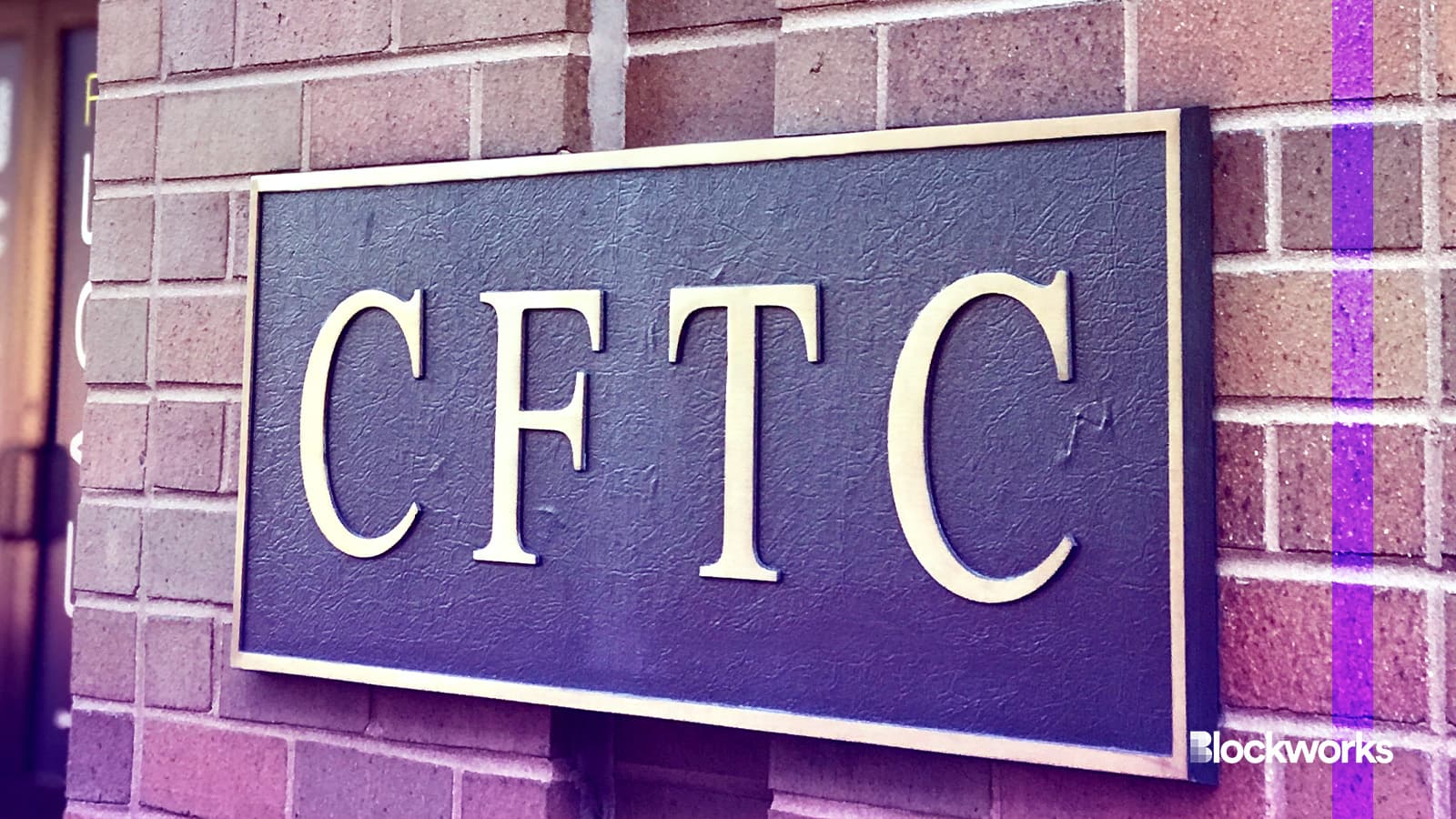
DCStockPhotography/Shutterstock modified by Blockworks
The Commodity Futures Trading Commission filed a complaint against the companies that operate the crypto exchange KuCoin.
“The complaint charges KuCoin illegally dealt in off-exchange commodity futures transactions and leveraged, margined or financed retail commodity transactions; solicited and accepted orders for commodity futures, swaps, and leveraged, margined or financed retail commodity transactions without registering with the CFTC,” the press release said.
In the CFTC’s complaint against the exchange, the regulator says that KuCoin allowed investors to trade commodities including bitcoin, ether and litecoin.
“These actions brought KuCoin squarely within the CFTC’s authority and required that KuCoin register with the CFTC and comply with all applicable regulations,” the suit said.
Read more: DOJ accuses crypto exchange KuCoin of skirting anti-money laundering laws
The CFTC said it seeks “disgorgement, civil monetary penalties, permanent trading and registration bans, and a permanent injunction against further violations of the CEA and CFTC regulations, as charged.”
The CFTC’s complaint follows a suit from the Department of Justice. The DOJ targeted the exchange and two co-founders, alleging that the defendants violated the Bank Secrecy Act.
The Commission said that from July 2019 to June 2023 the exchange didn’t implement know-your-customer (KYC) procedures. However, the KYC procedures offered to US customers were allegedly a “sham” and “did not prevent US customers from trading commodity interests and derivatives on the platform.”
Read more: Ether is the Schrödinger’s cat of crypto
The DOJ alleged that KuCoin failed to require KYC, and then — in July 2023 — the platform adopted a KYC program after it was made aware of a government investigation.
Because the exchange didn’t enforce anti-money laundering policies, KuCoin transmitted over $4 billion of “suspicious and criminal funds” and received $5 billion from operating “in the shadows of the financial markets.”
The CFTC and the DOJ actions aren’t the first government actions the exchange has faced. In December, KuCoin settled with the New York Attorney General’s office for $22 million.
Late last year, both the DOJ and CFTC targeted another crypto exchange — Binance — in a multi-billion dollar settlement. Binance was also accused of anti-money laundering violations.
Get the news in your inbox. Explore Blockworks newsletters:
- The Breakdown: Decoding crypto and the markets. Daily.
- 0xResearch: Alpha in your inbox. Think like an analyst.
