Anti-Surveillance CBDC Bill Won’t Protect Privacy: Advocacy Group
Digital rights group Fight for the Future reckons Rep. Emmer’s bill would allow the private sector to profit from an eventual US CBDC
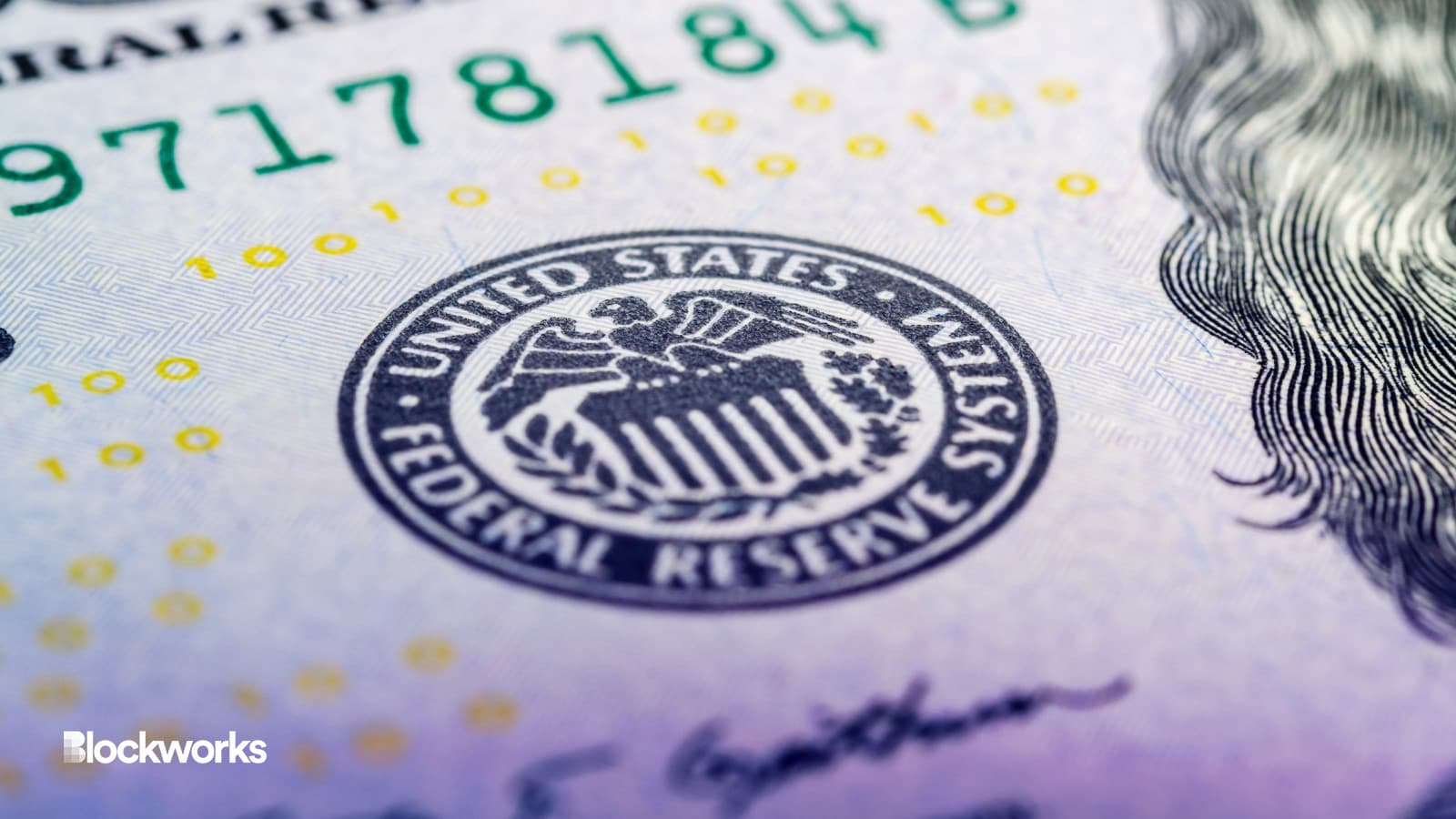
Shutterstock.com/Andrii Malkov, modified by Blockworks
Digital rights group Fight for the Future isn’t convinced by a new CBDC anti-surveillance bill pitched to the US House Financial Services Committee.
US Congressman Tom Emmer introduced the “CBDC Anti-Surveillance Act” earlier this week. Co-sponsored by nine other Republicans, H.R 1122 seeks to amend the Federal Reserve Act to prohibit Fed banks from offering central bank digital currencies (CBDC)s to individuals.
It also seeks to prohibit the use of a digital dollar for the implementation of monetary policy. The act aligns with Emmer’s previous attempts to bar the Fed from issuing a CBDC directly to individuals in the name of privacy preservation.
The fear is that CBDCs could expose individuals to unnecessary surveillance risks by the state — empowered by its newfound ability to track and trace every penny.
“Any digital version of the dollar must uphold our American values of privacy, individual sovereignty and free market competitiveness,” Emmer said in a statement. “Anything less opens the door to the development of a dangerous surveillance tool.”
Fight for the Future, however, has a problem with Emmer’s alternative to the Fed’s potential handling of CBDC transactions: private financial companies.
“Rep. Emmer is correct that a poorly-built digital dollar would cement surveillance and extremely concerning economic controls into our daily lives,” Fight for the Future said.
It added: “We also agree on the need for the government to be transparent about CBDC projects — but where this bill falls short is in positioning the private sector as the sole option for intermediating digital dollar transactions.”
Invasive surveillance and morality policing are prevalent in various financial institutions such as Wells Fargo and Venmo, the nonprofit said in its own statement. Fight for the Future believes the bill would contribute to endangering vulnerable communities, including activists and abortion patients.
“The well-executed digital dollar the US deserves would provide the same level of privacy that cash has offered for millennia, by design,” the group said. “We need real alternatives with end-to-end encryption level privacy baked into the code itself.”
The Federal Reserve System is composed of 12 regional banks located throughout the US and a Board of Governors located in Washington, D.C.
“Financial surveillance, whether done by the government or financial institutions, treats everyone as if we are guilty until proven innocent and as if privacy is not a fundamental human right,” said Fight for the Future.
The group posited major financial institutions may resist implementing cash-level privacy, as it would impact profits deriving from exploiting personal data.
In any case, the legislative process for Emmer’s bill has only just begun. A committee review comes next, before potentially proceeding to the House or Senate for consideration. From there, it would need to be signed by President Joe Biden into law.
Get the news in your inbox. Explore Blockworks newsletters:
- The Breakdown: Decoding crypto and the markets. Daily.
- 0xResearch: Alpha in your inbox. Think like an analyst.