‘Blockchain, not Bitcoin’ is Dead? Australian Bourse Cans DLT Shift
The Australian Securities Exchange spent around $170 million in hopes of replacing its aging settlement layer with a blockchain
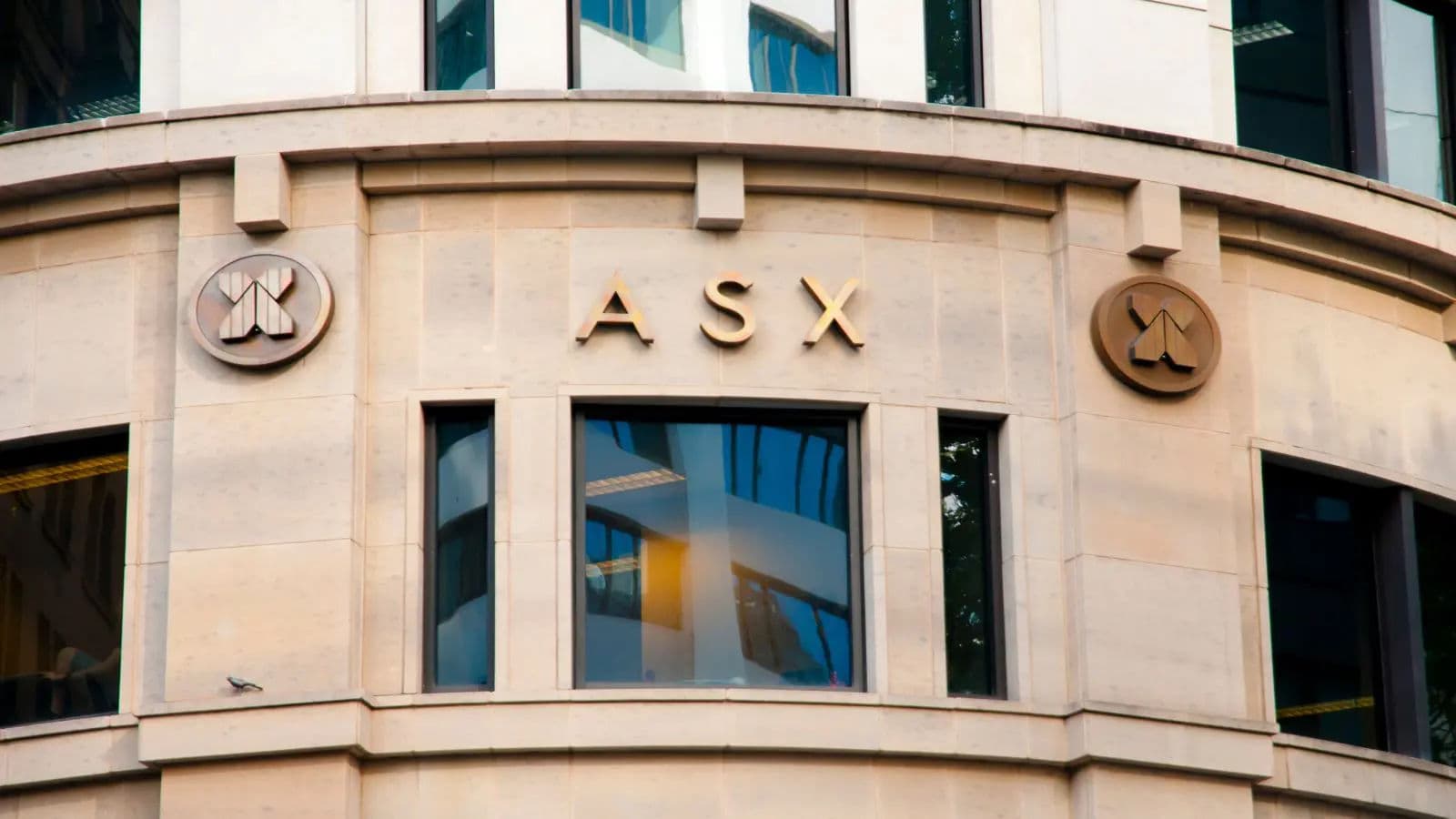
ASX Building, Sydney | Credit: Shutterstock
The Australian Securities Exchange (ASX) has placed a blockchain system (DLT) intended to upgrade its aging settlement layer on indefinite hold after three years of development.
The move marks the end of what was to be one of the most impactful implementations of distributed ledger technology — business-speak for enterprise blockchain — to date.
In a statement on Wednesday, ASX said its DLT, once pegged to replace its 25-year-old Clearing House Electronic Subregister System (CHESS), simply didn’t measure up.
ASX inked a three-party memorandum of understanding in 2019 with enterprise blockchain firm Digital Asset and cloud computing giant VMware to build the software.
Between 245 million and 255 million Australian dollars ($165 million to $171 million) spent on developing the DLT will be scrubbed from ASX’s balance sheet starting next year, a spokesperson told Blockworks.
The funds were previously listed as a financial asset or liability. ASX doesn’t expect the outcome to impact the company’s dividends.
DLTs are private (permissioned) blockchain-powered networks; databases involving multiple vetted parties across multiple trusted nodes, which process actions within a closed system.
Large companies and other institutions have gravitated towards DLT solutions rather than permissionless blockchains, as they award supreme power and control over the networks they support, with “blockchain, not Bitcoin” the mantra for many over the past five years.
Compare that with public (permissionless) blockchain systems such as Bitcoin and Ethereum. These networks have no central power and allow anyone at all (with the right equipment) to join, validate and otherwise participate in the network.
The ASX spokesperson said that while current activities on the project have been paused, it has not definitively ruled out a DLT implementation in the future.
“As we revisit solution design we will go back with an open mind,” the spokesperson said. “We will evaluate a number of options and we will work with both [Digital Asset] and VMware in those investigations.”
ASX repeatedly pushed back its DLT blockchain system
The Australian bourse, which handles clearing, settlement and registration of securities and equities in the country, first began exploring options to replace CHESS more than seven years ago.
Toward the end of 2018, DLT was tipped as the technology of choice to help modernize its systems, leading to a formal agreement to develop a blockchain-based solution a year later.
Some ASX customers initially balked at the idea, complaining that the blockchain implementation could ultimately fail. The exchange delayed the implementation several times due to concerns over exactly how the new system would function.
The transition was initially slated to go live in 2020. Citing significant challenges posed by the design, ASX’s decision to can its DLT stemmed from a review undertaken by IT consulting giant Accenture, which was started in August this year and issued earlier this month.
Accenture said distributed systems introduce higher latency, exacerbated by multiple layers including client nodes, CHESS’ application and the ledger itself, where transactional data is stored.
Get the news in your inbox. Explore Blockworks newsletters:
- The Breakdown: Decoding crypto and the markets. Daily.
- 0xResearch: Alpha in your inbox. Think like an analyst.
