Bitget’s Celebrity Partnership Comes Across Tone Deaf
Crypto exchanges should focus more on detailing security and transparency efforts than touting celebrity-studded marketing campaigns
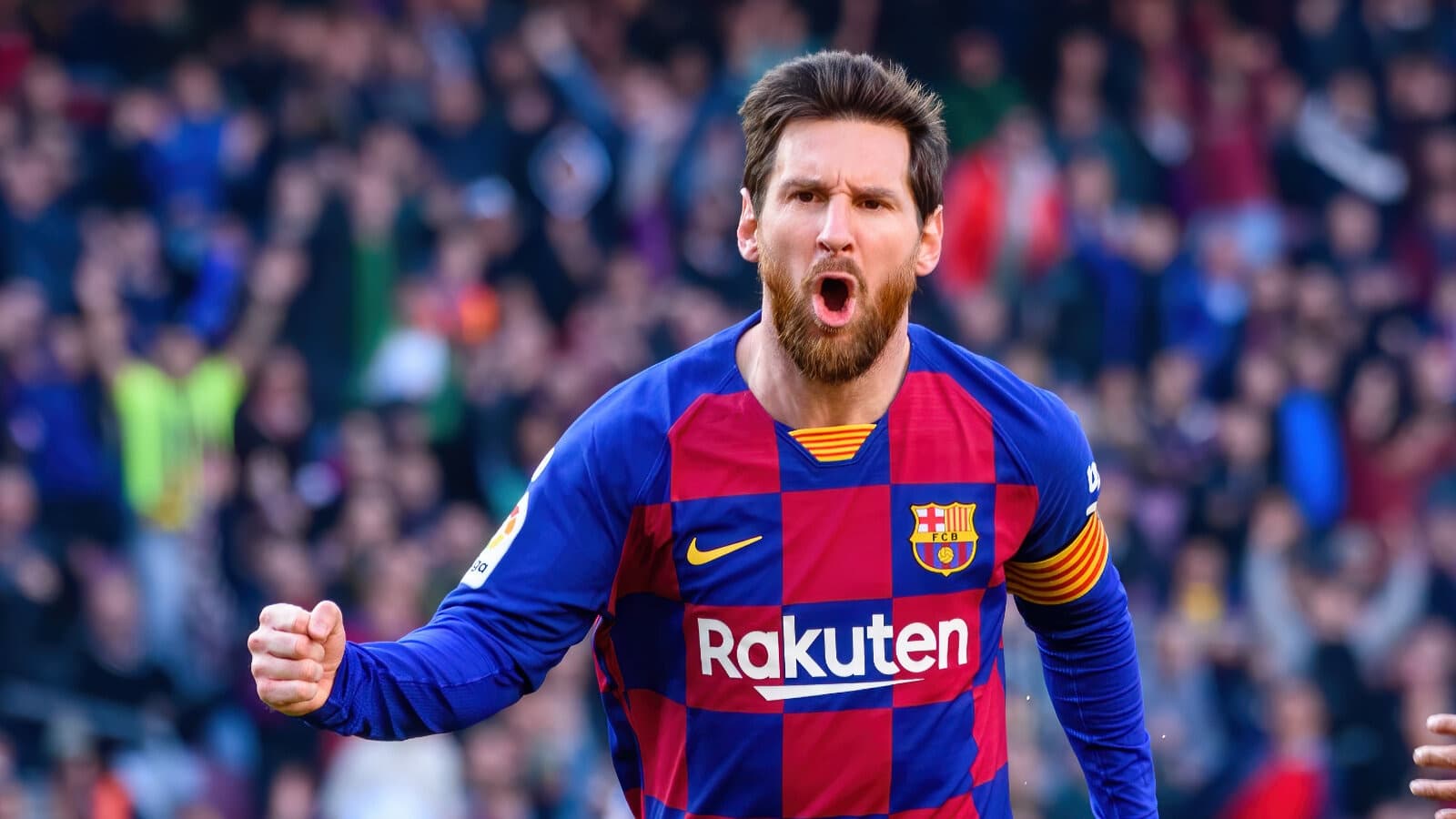
Lionel Messi | Christian Bertrand/Shutterstock.com
Bitget has been trying to reassure current and potential customers who are losing faith, fast, in digital assets. But the cryptocurrency exchange is taking a questionable route.
Bitget Managing Director Gracy Chen last week cited consumers’ trust reaching a nadir — spurred by “collapses of a few crypto giants this year” — as rationale for ramping up marketing and product efforts.
Consider what the company called its Nov. 26 press release breaking things down: “Bitget launches major campaign with Messi to reignite confidence in the crypto market.” As if a marketing campaign with the soccer star (the rest of the world calls it football, I know) would somehow make the exchange more trustworthy…?
Lionel Messi is among the world’s greatest athletes. He has scored two goals in the first three games of this year’s FIFA World Cup, helping Argentina advance past the group stage.
But how much does Messi know about crypto? This is a business deal for him, and his decision to endorse a crypto brand does not necessarily bestow confidence in a particular company or crypto more broadly.
In fact, Messi several years ago endorsed Finney, a blockchain-enabled smartphone by Sirin Labs — run by Moshe Hogeg, who was arrested in 2021 for alleged sex crimes and cryptocurrency fraud. Hogeg has denied these allegations.
FTX built trust through celebrities
Bitget’s plan to boost trust in crypto, in part, by getting a celebrity to endorse Bitget, signals the exchange has not been paying attention to recent events — or, worse still, has chosen to ignore them.
Why are Bitget’s marketing efforts especially relevant? Well, something big recently happened in crypto land to a company who had some of the world’s biggest celebrities behind it.
FTX was the best when it came to making deals with the world’s largest sports stars and other celebrities to endorse its brand. Tom Brady, Steph Curry and Shohei Ohtani were FTX brand ambassadors, as was fashion model Gisele Bündchen. The company landed Larry David for its Super Bowl commercial that aired in February.
FTX filed for bankruptcy last month.
Perhaps celebrities do help persuade people to put their trust in crypto. Perhaps that was why FTX’s debacle stung so many.
Proper communications is important
I’m not naive enough to think companies, including crypto ones, will not utilize celebrities to endorse their brands going forward.
Binance, for example, unveiled an NFT collection with football star Christiano Ronaldo that became available Nov. 18. The company’s press release around the launch said the athlete’s collection was “aiming to give his fans an introduction to Web3 through the world of NFTs.”
But, for me, it truly was the title of Bitget’s press release — using a celebrity partnership to spur trust in the crypto space — that had me baffled.
Reading through the announcement, Messi does mention that “it’s reassuring to see Bitget taking this seriously with a series of protection initiatives.”
The last paragraph mentions Bitget’s launch of a $5 million “Builders’ Fund” for users distressed by FTX’s crash. It also notes the company raising the size of its Protection Fund — designed to safeguard against hacks and theft — to $300 million last month.
But not mentioned are other measures Bitget is taking, such as its soon-to-be-shared Merkle Tree proof of reserves in an effort “to promote complete transparency and comprehensive asset auditing.” Now, those could actually move the needle. That could be something worth trusting.
Learn more: What Is Proof of Reserves and Can It Build Back Trust?
Chen told Blockworks in a statement that the company also had various protective measures in place before FTX’s crash, including hot and cold wallet separation, a multi-signature wallet and zero-trust security architecture.
“We do all this to show the market that in the world of crypto, companies with real strength are immune to the rocky market, and when facing adversity, it is the best time to focus inwards and keep building,” she added.
So Bitget, like other crypto exchanges, appears to be taking legitimate steps to regain customer trust after FTX’s collapse.
So, don’t take this as a condemnation of Bitget as a company, but rather a reminder that words and marketing matter. Exchanges would be better off hammering home the details of their specific security and transparency efforts than touting celebrity partnerships.
As we would say in journalism, “Bitget buried the lede.”
Get the news in your inbox. Explore Blockworks newsletters:
- The Breakdown: Decoding crypto and the markets. Daily.
- 0xResearch: Alpha in your inbox. Think like an analyst.
