New bipartisan bill says DeFi project ‘controllers’ must follow KYC rules
If a protocol has no identifiable controller, anyone who invests more than $25 million in developing the protocol would be held responsible
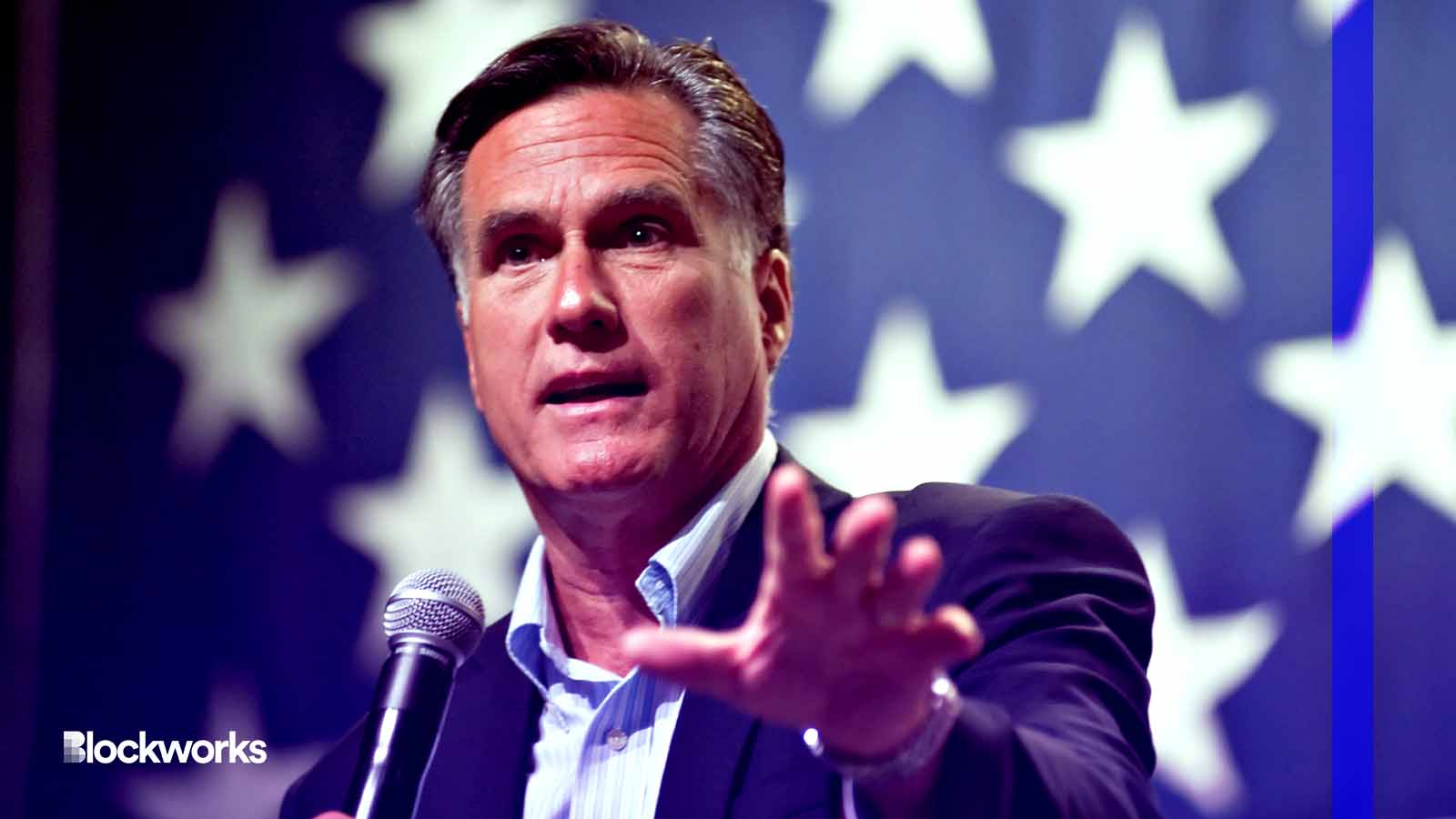
Utah Senator Mitt Romney | Christopher Halloran/Shutterstock modified by Blockworks
A group of US senators has debuted a bipartisan bill focused on money laundering and sanctions compliance that, if approved, would have major implications for decentralized finance protocols.
Senator Jack Reeds, D-R.I., is the sponsor of the bill, the Crypto Asset National Security Enhancement Act of 2023. Sens. Mark Warner, D-Va., Mike Rounds, R-S.D., and Mitt Romney, R-Utah, are co-sponsors.
The bill was read on the Senate floor Tuesday evening, but as of Wednesday at time of publication, the bill text had not yet been publicly released.
According to a draft copy of the bill obtained by Blockworks, the Crypto Asset National Security Enhancement Act seeks to subject DeFi protocols to the same rules as other US-regulated financial intermediaries.
The bill would require anyone who “controls” a DeFi protocol to ensure there are anti-money laundering programs in effect and adhere to know-your-customer (KYC) policies. DeFi protocol controllers would also be responsible for reporting suspicious activity and make sure anyone blocked by sanctions is not using the protocol.
If there is not an identifiable controller of the protocol, the bill states that anyone who invests more than $25 million in developing the protocol would be held responsible.
“Virtual currency kiosks” such as bitcoin ATMs would be required under federal law to abide by KYC laws, the bill proposes.
Operators of such ATMs/machines must “verify and record, at a minimum, the name and physical address of the consumer, which shall include review of an official document evidencing nationality or residence that includes a photograph of the consumer,” the bill states.
This bill comes after past bipartisan efforts to advance crypto rules at the federal level have fallen short. Sens. Elizabeth Warren, D-Mass., and Roger Marshall, R-Kans., introduced the Digital Asset Anti-Money Laundering Act last session. The senators brought the bill to the floor in December, just weeks before the session ended, and the legislation never made it to markup or vote.
Warren and Marshall’s bill focused on limiting financial institutions’ access to crypto mixing services, privacy coins and “other anonymity-enhancing technologies.” The US Department of Treasury sanctioned crypto mixing service Tornado Cash months before Warren and Marshall introduced their bill.
Get the news in your inbox. Explore Blockworks newsletters:
- The Breakdown: Decoding crypto and the markets. Daily.
- 0xResearch: Alpha in your inbox. Think like an analyst.
