Arbitrum Gaming Catalyst hires DAO relations rep after token clawback proposal
Is a gaming push worth 200M ARB?
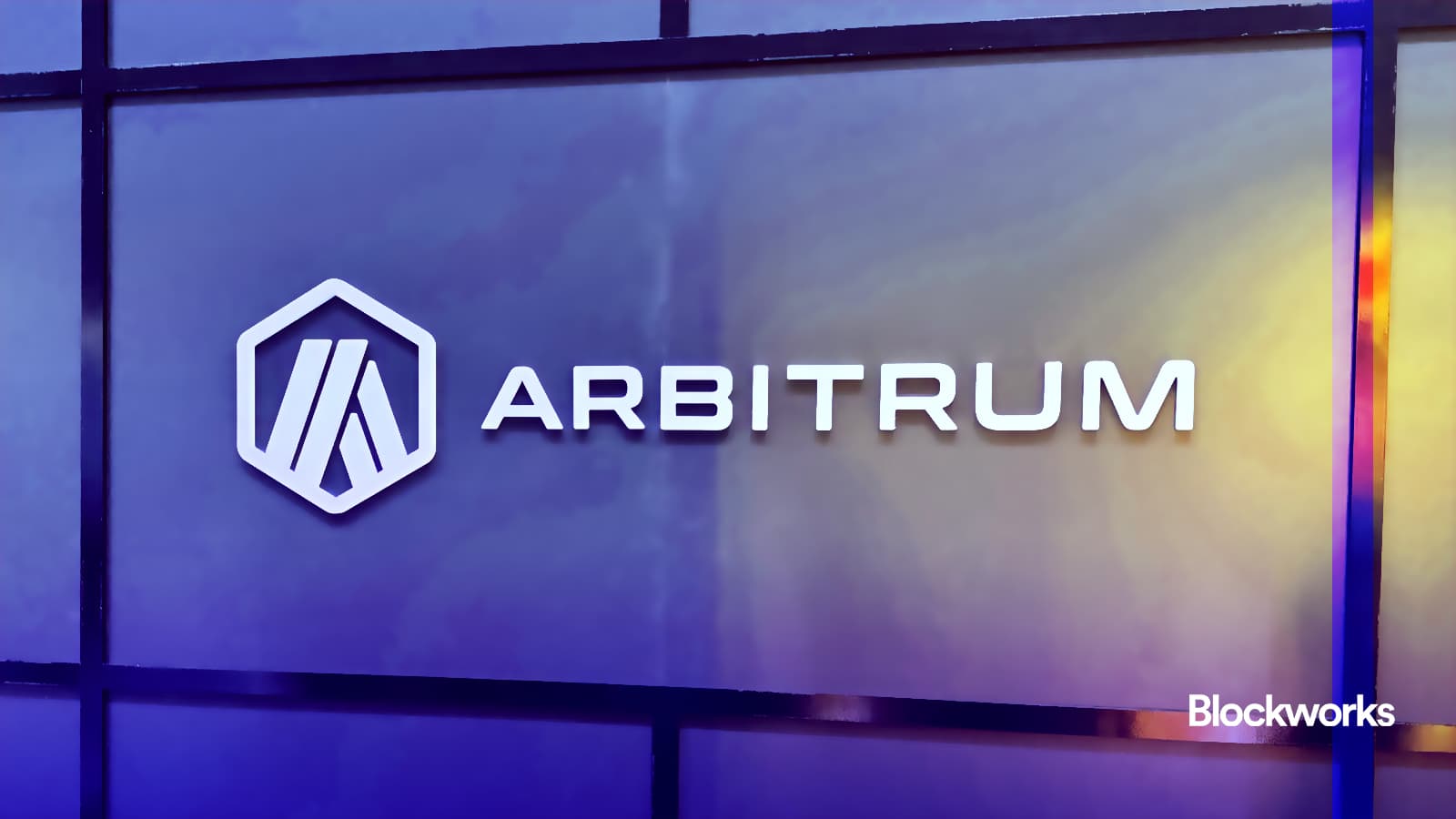
Arbitrum’s booth at the Game Developers Conference 2025 in San Francisco | Kate Irwin for Blockworks
This is a segment from The Drop newsletter. To read full editions, subscribe.
Just last week at the Game Developers Conference, I caught up with two key members of the Arbitrum Gaming Catalyst Program (GCP): Daniel Peng, founding partner, and Rick Johanson, founding partner and VP.
During the interview, they shared a glowing vision for a gaming-focused future on Arbitrum. They said they were talking to 100 different gaming projects to see which ones might build on their chain.
“I think where we are in the life cycle of gaming and Web3, is trying to figure out what the biggest value adds that we can provide with our resources…in order to ensure there’s some successes in our industry, right?” Peng told me.
“[It’s] still very much early. At the same time, I think we provide a pretty mature toolkit compared to a lot of other networks,” he added.
Arbitrum also had the largest (and therefore priciest) crypto booth at the gaming conference, featuring about a half-dozen different titles using Arbitrum in various stages of development and a challenge where you could play those games to earn Arbitrum merch.
But this week, things have gone cold. The Arbitrum DAO, which greenlit the GCP in the first place, is now considering a proposal that would claw back all unused ARB tokens allotted to fund the GCP’s ambitions. The program had previously been granted 200 million ARB tokens last year, which was worth about $215 million at the time.
ARB’s now down over 76% in the past year.
“The GCP has repeatedly shown a reluctance to adequately document its activities and performance. Instead of embracing transparency, the program has recently sought to increase contributor compensation and lower its own reporting requirements,” part of the proposal reads.
“Given these failures, the risks associated with a lump-sum allocation of funds, and the mounting concerns raised by the community, it is time to cut our losses.”
Arbitrum DAO member Nathan van der Heyden co-published the proposal to kill GCP funding.
“The GCP was created in overly optimistic times. With key backers now gone, it’s clear the program isn’t delivering on its promises,” Heyden argued.
“The GCP was a failure,” wrote DAO participant Argonaut in agreement with the proposal.
“I fully agree with this clawback,” another participant wrote. “For the amount allocated, what has it gotten us? Arbitrum gaming will grow, but this amount of ARB was always outrageous when DeFi is what has gotten this L2 where it is.”
While some DAO participants agreed with the proposal, others — like GCP councilmember and Offchain Labs Head of Gaming and Consumer Partnerships David Bolger — believe the program is worth saving.
“No chain can remain competitive without allocating financial resources to attract and support builders,” Bolger wrote. “The industry is fiercely competitive, with rival chains routinely offering grants ranging from $5M to $100M.”
He’s not wrong about that, for sure — I’ve recently heard rumblings that other gaming-focused chains are paying game developers anywhere from $10 million to $30 million just to “partner” with them to build a game in their ecosystem.
“To date, over 50 deals have been put forward to the GCP, yet fewer than 5% have reached the final stages — demonstrating a clear commitment to due diligence,” Bolger added.
After the clawback was proposed, the GCP hired Castle Labs as its “DAO Relations partner” to see if more communication could change hearts and minds.

On the Arbitrum Foundation forums, Johanson said the team is taking action to improve communications between the GCP and the DAO — hiring Castle being one of those actions.
I reached out to Peng and Johanson for their thoughts on this proposal.
Johanson said: “We currently don’t have anything to share on this topic, but if that changes, we’ll be sure to update you.”
Overall, I’m not sure that the juice is worth the squeeze for every chain that decides it wants a gaming ecosystem.
Arbitrum is also an open, permissionless ecosystem, so devs don’t need the GCP’s permission — or anyone’s — to just launch a game there without getting paid.
Is it worth spending a hundred million just to convince some devs to make crypto games that are more likely to flop than not, some of which may ultimately leave the chain or never even launch?
Maybe it would be a better idea to narrow that scope to reduce risk and start small but focused — instead of trying to be the biggest player at the poker table.
Get the news in your inbox. Explore Blockworks newsletters:
- The Breakdown: Decoding crypto and the markets. Daily.
- 0xResearch: Alpha in your inbox. Think like an analyst.