Blocknative’s Cutler explains the pitfalls of private order flow
“We don’t want to have a network where users are suckers,” Cutler says
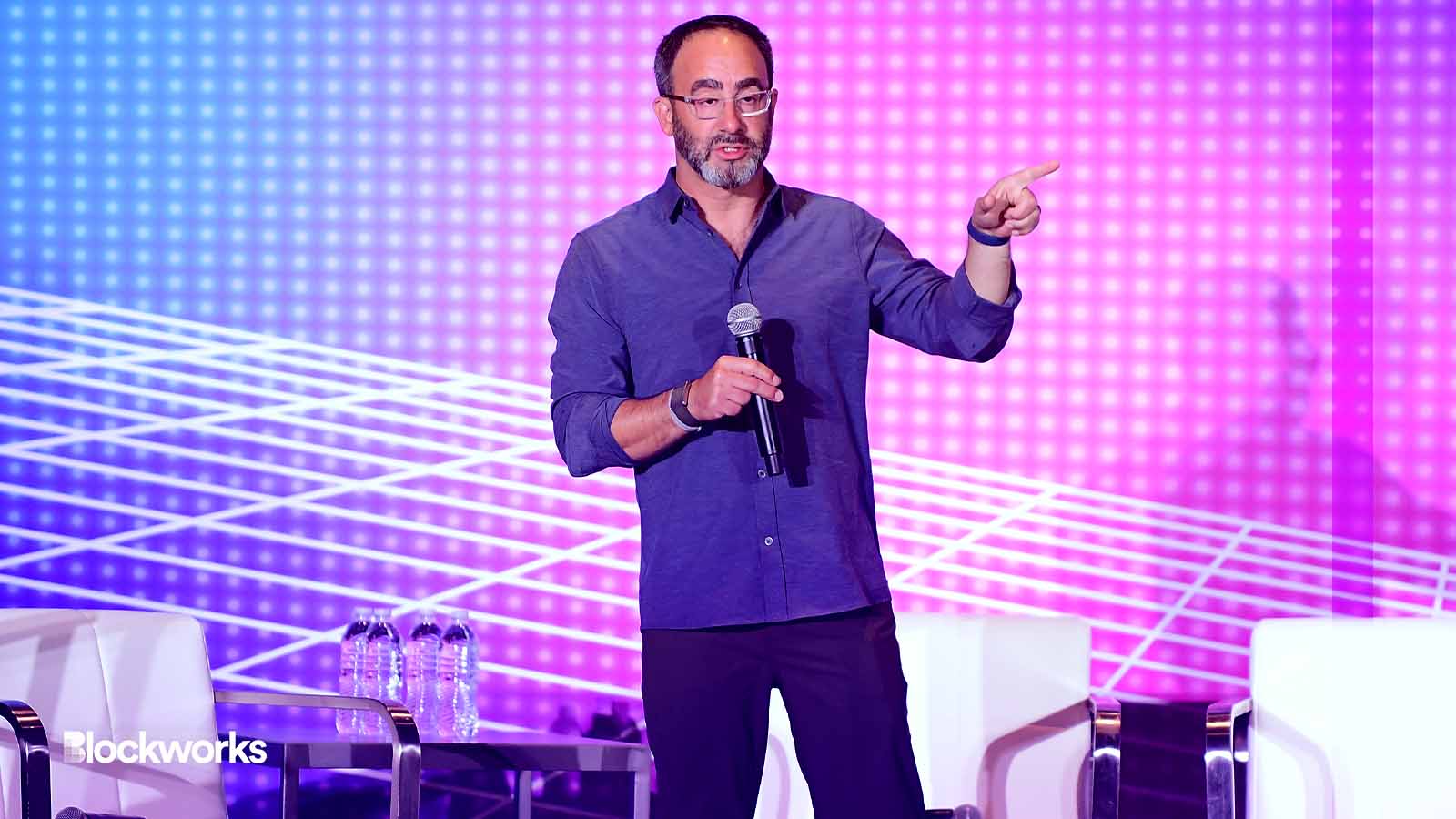
Permissionless II by Blockworks
Blocknative CEO and co-founder Matt Cutler says that over the past six months, private orders — transactions which do not appear in the public mempool but then do appear on-chain — grew from about 2% to 15% of all transactions on the Ethereum network.
He expects about half of all transactions to be private in a year or so. Designed as a “mechanism of protection,” he explains, the innovation has spawned some unintended consequences.
On the 0xResearch podcast (Spotify/Apple), Cutler explains the reasoning for private transactions: “You’re trying to avoid some of these concerns about adverse settlement and your transaction being part of an MEV attack.”
MEV, or maximum extractable value, refers to the profit that block producers may eke out from network activity by choosing to include, order or exclude transactions in blocks they are producing. Theoretically, private transactions can mitigate such exploits, but it’s “not so cut and dried,” Cutler says.
“You generally wait longer for a private transaction to get on-chain and therefore, you may suffer worse settlement due to increased slippage.” This results in trade-offs where it’s sometimes better to just keep transactions in the public mempool instead, he says.
Adding to the complexity is the issue of proprietary order flow, Cutler says, wherein a subset of private transactions are carried out by one or a few builders to maximize profits. “They have their own transactions. They don’t socialize them to the rest of the network.”
“The idea is then you can build a more valuable block than somebody else can,” he says.
Cutler explains that wallets can share orders “with a limited subset of network participants to give them exclusive rights” in order to extract MEV as well as to build blocks more profitably from the order flow.
“There’s very real money changing hands today,” he says, “for those exclusive rights.”
“I have access to orders that you don’t. I can create trades that you can’t,” he explains.
Blockchain censorship and anti-competition?
If all network participants can equally see a profitable block-building opportunity, they can bid against each other for the privilege. This creates healthy competition but also drives up costs for prospective block builders, Cutler says.
“If only I can see the opportunity,” he explains, “then I can make a much more profitable trade because I don’t have to worry about you guys competing with me.”
The non-competitive incentive carries negative consequences, Cutler says, citing recent research by Max Resnick that demonstrates the problem. “When asset volatility on Binance went up, there was a specific builder that won 75% of the blocks,” he says.
This dynamic presents possible threats of censorship and anti-competitive behavior, he says. “What if that builder doesn’t like you? You need to get a transaction on-chain — and they just say no?”
More realistically, Cutler suggests a situation may arise where the only way to get an order on-chain may be to hand it over to a competing builder.
The rival might respond, he explains, “No, I have my own order and I’m just going to pretend like I didn’t see yours because I make more money that way.”
It’s economically rational for certain actors in the network to behave in this way, he says. “They’re not doing anything nefarious, but the consequences for the equity on the network are not great.”
According to Cutler, the Ethereum network is “increasingly bent in this direction,” he says, “and it feels not ideal.”
“We don’t want to have a network where users are suckers,” he says. “We don’t want to have a network where [liquidity providers] are suckers, where they don’t get a fair shake, where they can’t compete for best settlement.”
“We’re trying to encourage everybody to both be aware of these situations and to create infrastructure or protocol changes that perhaps level things out a little bit.”
Get the news in your inbox. Explore Blockworks newsletters:
- The Breakdown: Decoding crypto and the markets. Daily.
- 0xResearch: Alpha in your inbox. Think like an analyst.
