Thailand’s Regulators Soften Ban on NFTs as Local Banks Invest in Ecosystem
Crypto hotspot Thailand has shifted from banning NFTs and meme tokens to embracing the new asset class.
Source: Shutterstock
- Thailand is a crypto hotspot in Asia, with plenty of interest from retail investors in all forms of digital assets from bitcoin to NFTs to GameFI
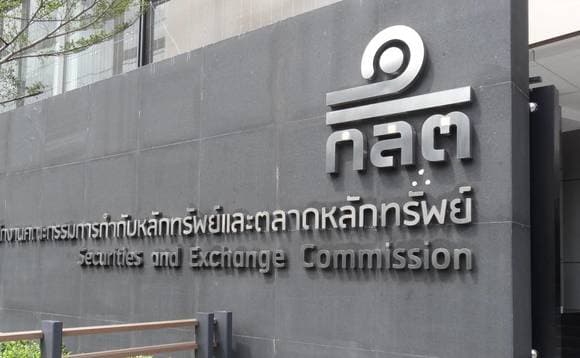
- Initially Thailand’s Securities and Exchange Commission banned NFTs and Meme Tokens from regulated exchanges in the country, but since then its position on NFTs has softened
Thailand’s market regulator is taking a new approach to crypto in the land of smiles, walking back from its initial harsh stance on NFTs while taking a hands-off approach to GameFi.
Earlier in the year, the Thai Securities and Exchange Commission banned NFTs from local exchanges as well as provided guidance to discourage publicly listed companies from becoming bitcoin macro proxies (like MicroStrategy). Now, the SEC has changed its tune on the former, and local institutions have embraced it. In fact, Thailand’s Kasikorn Bank, the nation’s second-largest, opened up an NFT marketplace.
“At the beginning, the SEC likely didn’t understand what they are,” Varit Bulakul, President of the Digital Asset Division of Bangkok-listed The Brooker Group, told Blockworks in an interview. “NFTs aren’t cryptocurrencies, they aren’t utility tokens…. Now they are learning about it more and drafting better crypto regulations.”
While the SEC hasn’t officially announced a change in policy, Kasikorn Bank has signaled that it has been in touch with the regulator and hasn’t received a notice of objection. The bank has also inked deals with some of the nation’s largest shopping malls to display NFTs on large LCD panels throughout the complex.
Siam Commercial Bank via its venture fund SCB 10x has also said that it is investing in the NFT ecosystem.
“We’re seeing movement from big players to move into digital assets, and the regulators seem very accepting of this,” Bulakul added.
Hands-off approach
Bulakul also noted that the regulator is, for now, taking a hands-off approach to GameFi. Axie Infinity has taken off in Southeast Asia.
While tax authorities in the Philippines — one of the other hotspots for the game in Asia — have issued taxation guidance for income generated in the game, the Thai SEC has simply issued a PSA about the risks involved with the digital assets generated in the game.
Bulakul said that a number of funds in the country with a digital assets focus have hired players to play through the game and generate Axie tokens with no objection so far from the SEC.
“The Thai SEC is aware of Axie and GameFI, broadly, and has made a number of posts to their Facebook page regarding it. So far, there are no negative moves against it,” he said. “Axie is based outside of Thailand, and has yet to do anything that requires a license from the SEC.”
