Sovereign Wealth Fund Bitcoin Buy Represents the Future of Finance
Singapore is home to two sovereign wealth funds, GIC and Temasek, which are some of the world’s largest non-carbon derived funds. The two funds have different strategies: GIC is seen as the more conservative of the two, investing safe bets such as infrastructure while Temasek is the higher-risk leaning fund that might be thought of as taking an investment approach similar to Masayoshi Son’s Softbank.
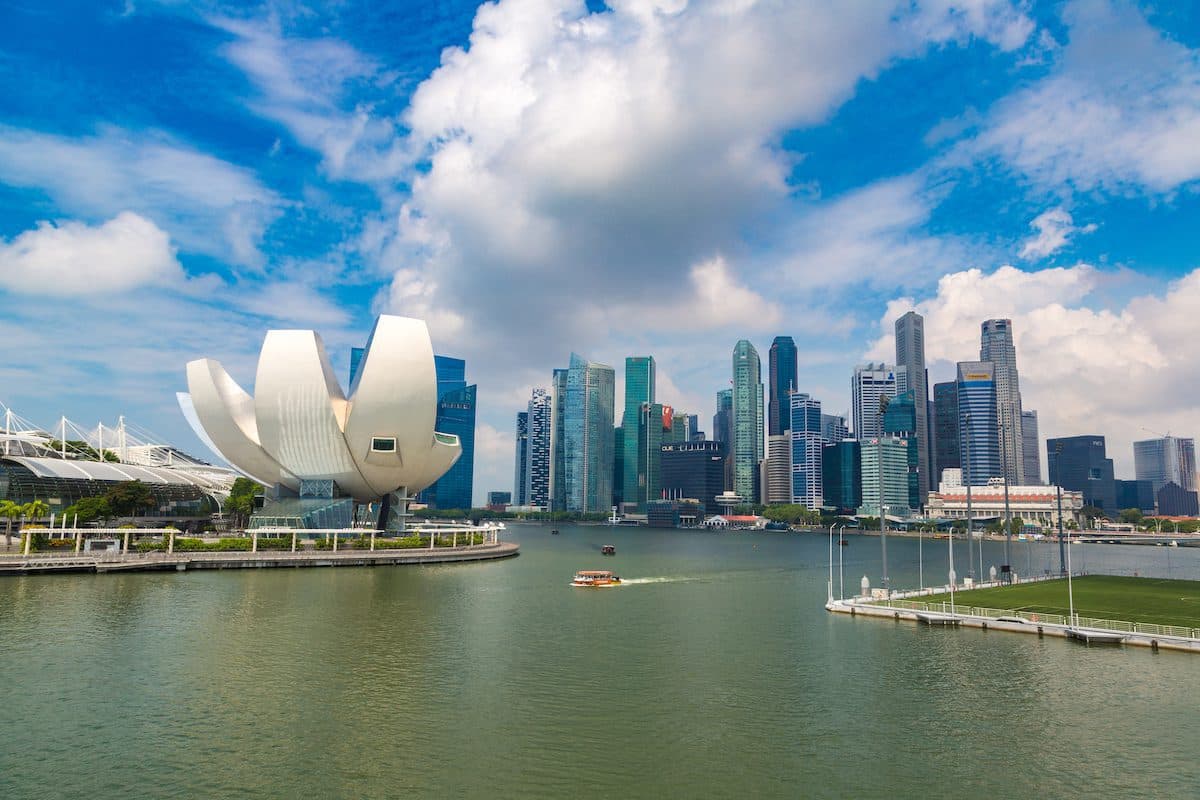
Singapore; Source: Shutterstock
- Temasek’s apparent bitcoin buy shows the sovereign wealth fund is on the bleeding edge of fintech in Asia
- It remains to be seen what the long term plans are for digital assets on a sovereign wealth funds balance sheet, but it could set the stage of CBDCs
News that sovereign wealth funds are making a play for bitcoin — which Real Vision CEO Raoul Pal has on good authority is Singapore’s Temasek — is the logical conclusion of both macroeconomic policy and the rebuilding of financial infrastructure thanks to the rise of digital assets.
Singapore is home to two sovereign wealth funds, GIC and Temasek, which are some of the world’s largest non-carbon derived funds. The two funds have different strategies: GIC is seen as the more conservative of the two, investing safe bets such as infrastructure while Temasek is the higher-risk leaning fund that might be thought of as taking an investment approach similar to Masayoshi Son’s Softbank.
Notably, GIC led the investment round into chartered digital assets bank Anchorage telegraphing that digital assets are here to stay and the bank itself is a safe infrastructure play.
“Temasek and other government funds have been making strategic investments into companies that operate digital exchanges or issue security tokens and digital assets,” Professor Joseph Cherian of the National University of Singapore Business School told Blockworks. “The reason for sovereign wealth and government funds’ foray into digital assets is because they represent the future. For example, illiquid assets that were once out of the reach of small investors’ hands, now become available to these segments of society as well.”
Cherian also pointed out that the market, which recently saw Temasek portfolio company Azalea Investment Management issuing its latest Temasek private-equity-backed bonds, Astrea VI, is now witnessing local digital asset exchange iSTOX issuing tokens on those same PE bonds. The tokenized offering of Astrea VI bonds allows for fractionalized ownership of Temasek’s PE funds, thus giving greater access to various levels of accredited investors. Temasek apparently adding bitcoin to its balance sheet would be a logic step in sync with all of this.
Inflation and the overvaluation of assets is something that’s no doubt on fund managers minds’. MicroStrategy’s Michael Saylor went as far to call cash a “toxic asset” during a recent Blockworks webinar — and while other fund managers mind not take such a catastrophic view there is a need to explore alternative assets in light of declining yields and record inflation.
“The Federal Reserve has decided to maintain their dovish stance despite signs of recovery from the Covid-19 pandemic. By keeping interest rates low in the medium term, they can encourage economic growth in spite of inflation,” CoinGecko Co-founder and COO Bobby Ong said. “With the growing wariness in high valuations of all asset classes such as stocks, bonds, and real estates, Bitcoin is increasingly becoming a viable investment choice in this macro climate.”
Ong doesn’t call this a surprise that sovereign wealth funds are buying bitcoin, and thinks this is just the beginning of a long trend.
What’s next for sovereign wealth funds and digital assets isn’t clear; Temasek has yet to confirm its apparent bitcoin buy via an official release. Temasek has already proven with its tokenized Astrea VI bond offerings that it’s possible to digitize fixed income capital market issues, from issuance to settlement. Might the next step be a Central Bank Digital Currency (CBDC) version of the Singapore dollar? After all, the value of the Singapore dollar partially comes from the nation’s foreign reserves and holdings of the likes of Temasek and GIC.
“Whether Temasek is simply taking an investment position or creating a new financial product with Bitcoin as the underlying asset remains to be seen,” said Pat LaVecchia CEO of Oasis Pro Markets. “It’s clear that Temasek sees the long term potential of cryptocurrencies and digital assets and in addition to recent announcements.”
Temasek’s apparent bitcoin buy puts the fund in line with Norway’s Oil Fund, one of the top sovereign wealth funds in the world with more than $1.3 trillion in AUM, which has exposure to bitcoin through its holdings of MicroStrategy and holding company Aker ASA which has a business unit dedicated to bitcoin investing. There are over 20 sovereign wealth funds with assets over $60 billion. The question is, which fund will buy bitcoin next?
