Crypto, Regulatory Oversight Both Culpable in Signature’s Collapse, FDIC Chair Admits
The chair acknowledged his agency’s shortcomings in acting sooner to curb the crisis spreading throughout Signature’s operations
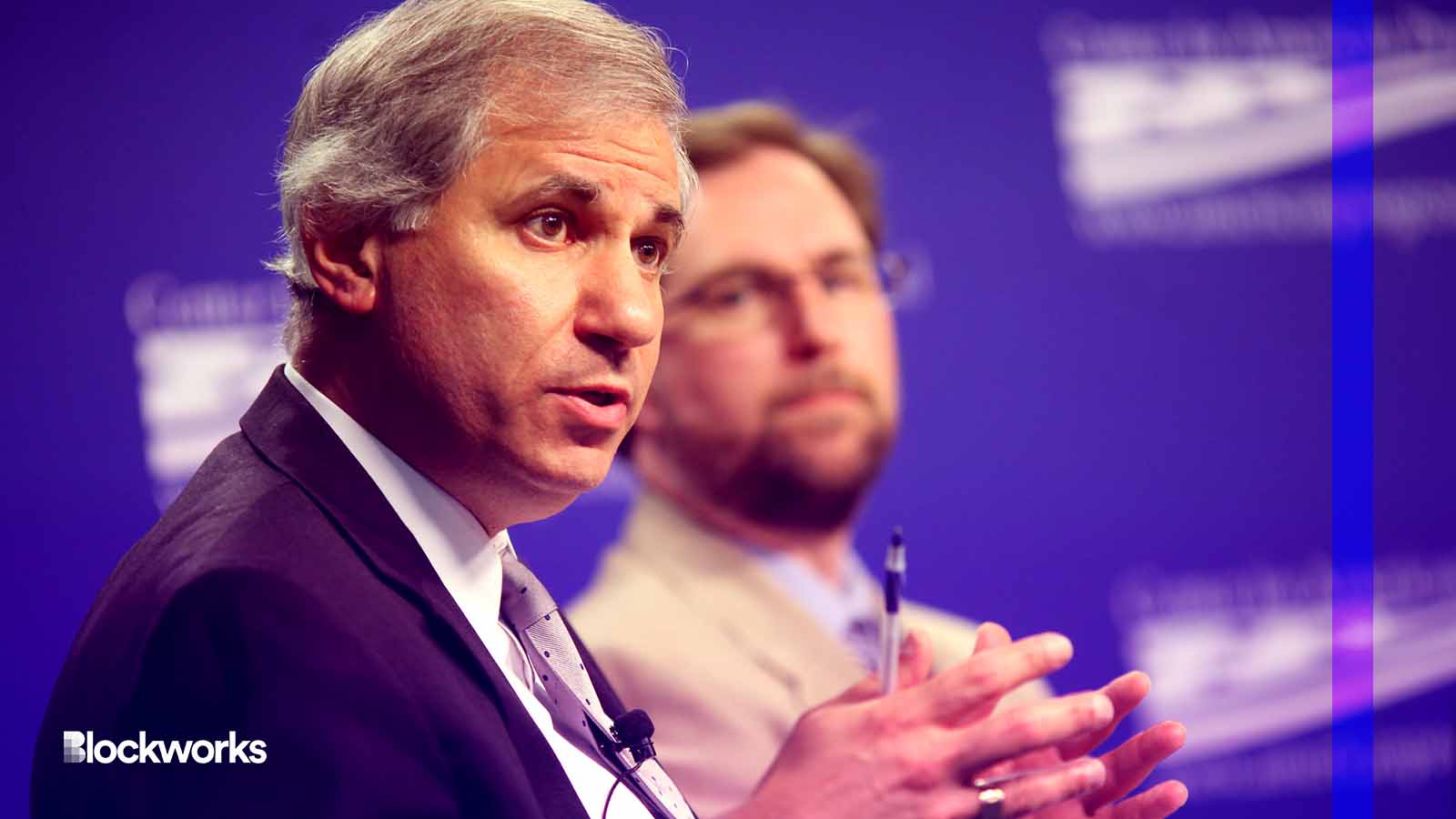
FDIC Chair Martin Gruenberg | Source: The Center for American Progress Action Fund (CC license)
The collapse of Signature Bank was largely due to its reliance on uninsured deposits and exposure to crypto, FDIC Chair Martin Gruenberg said Monday.
In a speech before the House Committee on Financial Services, Gruenberg said Signature’s failure to manage its “reckless growth strategy” and inadequate risk management practices contributed significantly to its downfall.
The chair acknowledged his agency’s shortcomings in acting sooner to curb the crisis spreading throughout Signature’s operations. But Gruenberg only partially accepted blame.
He said: “Although fallout from the liquidation of Silvergate and the failure of Silicon Valley Bank was unprecedented and unfolded rapidly, Signature Bank’s poor governance and inadequate risk management practices put the bank in a position where it could not effectively manage its liquidity in a time of stress, making it unable to meet very large withdrawal requests.”
Signature Bank serviced a raft of big players in the crypto industry leading up to its demise, processing fast, round-the-clock payments between member customers, including stablecoin issuer Circle and crypto exchange Kraken.
The FDIC’s oversight of Signature Bank had already been scrutinized, Gruenberg noted, pointing to a report by his agency’s Chief Risk Officer Marshall Gentry in late April.
Specifically, the report highlighted it would have been wise in late 2021 to reduce the bank’s management component rating to indicate need for improvement.
“Doing so would have been consistent with the FDIC’s forward-looking supervision concept, likely lowering Signature Bank’s Composite rating, and supporting consideration of an enforcement action,” he said.
Shocks across several crypto-friendly US banks over the past six months were precipitated by considerable headwinds for the crypto industry, most prominently the FTX implosion in November.
Associated contagion has highlighted the potential systemic risk that crypto-linked banking activities pose, Gruenberg said.
Gruenberg’s comments align with previous statements from his agency in March which claimed that while Signature Bank maintained a more varied deposit base, it was fears related to the crypto market that ultimately instigated the bank run.
That was later questioned by the New York State Department of Financial Services. The department pointed out in a report that Silvergate’s liquidity position was insufficient, and that the bank had self-reported misleading data concerning its solvency.
“Additionally, [Signature] failed to understand the risk of its association with and reliance on, crypto industry deposits or its vulnerability to contagion from crypto industry turmoil that occurred in late 2022 and into 2023,” Gruenberg said.
Get the news in your inbox. Explore Blockworks newsletters:
- The Breakdown: Decoding crypto and the markets. Daily.
- 0xResearch: Alpha in your inbox. Think like an analyst.
