Regulatory landscape across Asia prompts exchanges to enhance KYC measures
OKX, Bitget and KuCoin have said they have strengthened their KYC requirements as regulation across Asia solidifies
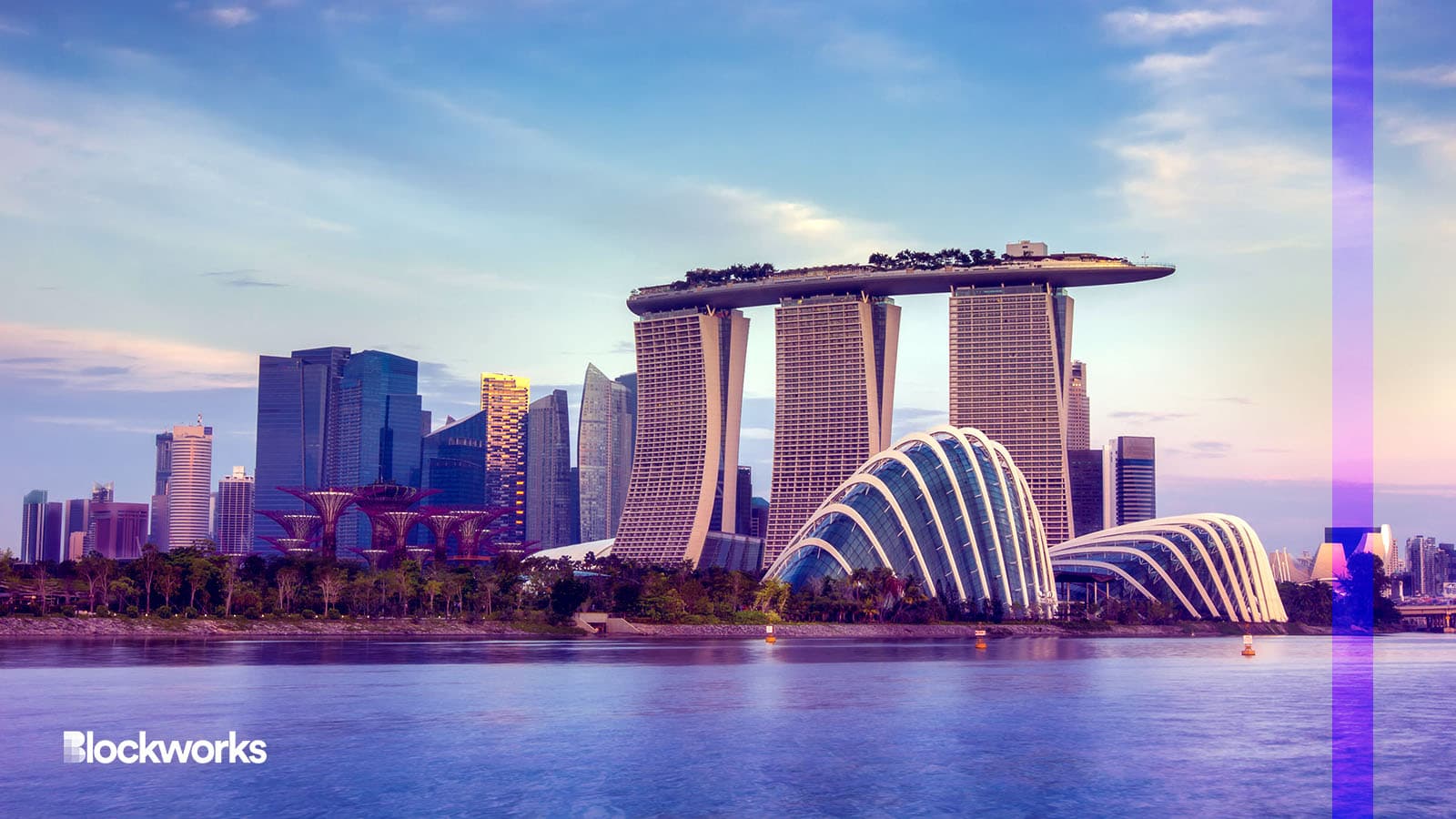
anek.soowannaphoom/Shutterstock, modified by Blockworks
Several exchanges popular throughout Asia have updated their terms of service, tightening know-your-customer (KYC) protocols ahead of upcoming regulatory changes across the region.
Seychelles-based Bitget said Sunday it was updating its KYC measures in a bid to comply with requirements, including the city-state’s recently updated guidelines for banks.
Directives from the Monetary Authority of Singapore (MAS) — both a central bank and regulator — are advising financial institutions to put in place appropriate risk management procedures.
It comes as MAS shut down Digital Payment Token (DPT) service providers from “facilitating lending and staking of DPT tokens by their retail customers,” Blockworks previously reported.
As such, Bitget, alongside KuCoin and OKX — considered to be some of the more popular platforms for Asia-based crypto traders, including Singapore — is advising users to update their KYC verification ahead of next month.
“Starting from Oct. 1, users who have not completed level 1 KYC verification will only be able to withdraw, cancel orders, redeem subscriptions and close positions, being restricted from creating new trading orders,” the exchange said.
KuCoin and OKX, both headquartered in Seychelles following China’s crackdown on digital assets in 2017, have also recently updated their KYC policies. Bitget currently ranks 16th among exchanges ranked by trading volume over a 24-hour period, Coingecko data shows. OKX and KuCoin rank 7th and 22nd respectively.
While KuCoin had implemented KYC on its platform back in 2018, the exchange said it has strengthened its identity verification procedures — with users needing to upload documents and complete face checks. The changes are expected to take effect at the end of this month.
OKX, which also updated its terms last week, said users would need to submit a selfie using a government-issued ID — to be stored by the exchange — in order to use all its services.
While Singapore represents the clearest jurisdiction digital asset service providers are shifting focus towards, it isn’t the only one.
Earlier this year, Japan sought to tighten anti-money laundering measures designed to better track crypto transactions, answering calls from other countries.
Also, starting next year, South Korea’s Financial Services Commission will require companies to include details about their crypto holdings, anticipated value, and related business models in their financial statements to align crypto accounting with conventional financial reporting.
All measures point towards a tightening regulatory environment across the region, with crypto service providers adhering to, or seemingly positioning for, changes long-overlooked by financial officials.
Get the news in your inbox. Explore Blockworks newsletters:
- The Breakdown: Decoding crypto and the markets. Daily.
- 0xResearch: Alpha in your inbox. Think like an analyst.
