Japan Revisits Organized Crime Law, Considers Seizures of Illicit Cryptoassets
The Japanese Justice Ministry will be having conversations with the Legislative Council to discuss revisions to the law later this month
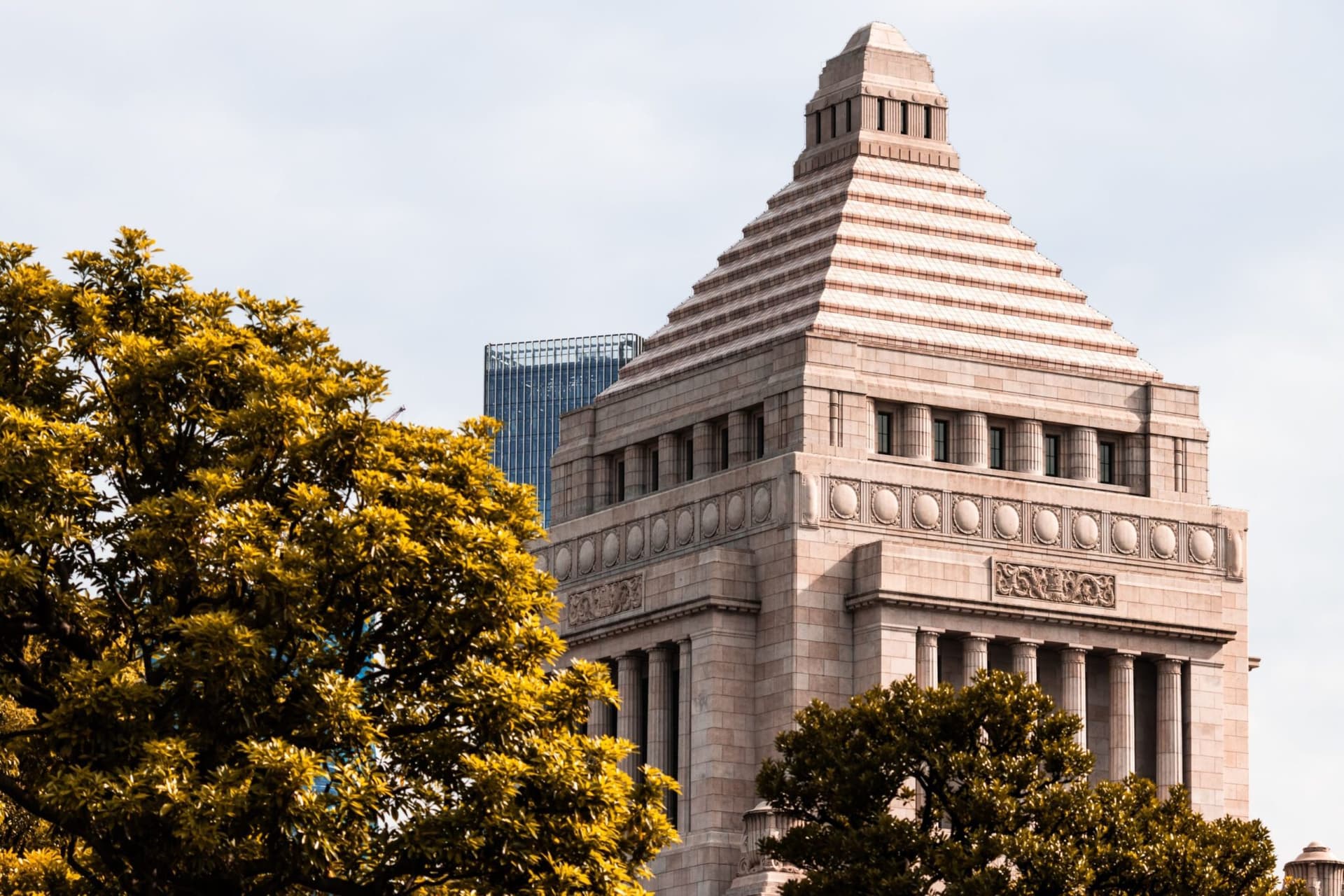
National Diet Building in Japan, the country’s center of political activity | Source: Shutterstock
- Japanese cryptocurrency exchanges have lost hundreds of millions of dollars to hackers
- Regulators worldwide are facing pressure to pass legislation around cryptoassets as digital currencies become more mainstream
Days after Japan’s parliament passed a bill reigning in stablecoins, the country’s justice ministry moved to give authorities the power to confiscate illicit cryptoassets.
As of now, the law overseeing organized crime in Japan does not yet pertain to cryptocurrencies, experts said — only property and monetary claims can be seized. Local media outlets Yomiuri Shimbun and Jiji Press have reported the Japanese Justice Ministry will be having conversations with the country’s Legislative Council on how to revise the law as early as this month.
Japan suffered its biggest cryptocurrency loss in January 2018, after hackers used malicious emails and stole $534 million from crypto exchange CoinCheck.
More recently, in August 2021, hackers drained almost $100 million, mostly in bitcoin and ether, from Japanese crypto exchange Liquid.
“There’s a saying that there are two types of crypto companies — ones that have been hacked and ones that will be hacked,” said Peter Wang, CEO and founder of decentralized finance (DeFi) dashboard Tokenpad and product research and development company 57Blocks.
“Without the right security measures in place, hacks will continue to happen, and new users will continue being wary of entering the crypto market,” he told Blockworks.
Global regulators face similar challenges
Risks around financial crime and money laundering have caused concern for regulators around the world, and they face greater pressure to pass legislation around cryptoassets as digital currencies become more mainstream.
Legally, confiscating cryptocurrencies may be difficult, as most cryptocurrencies are seizure resistant. The government will need access to the individual’s identity, their bitcoin addresses and their private keys before it can access the illicit funds.
In the UK, regulators have enacted tougher laws on cryptocurrency companies. The country’s Financial Conduct Authority mandated that all cryptocurrency businesses must file annual financial crime reports, and some banks have also capped or blocked clients from funding their crypto exchange accounts.
“Regulators and supranational organizations, such as the Financial Action Task Force, have begun to set standards and expectations to address financial crime in crypto,” said Tung Li Lim, senior policy adviser for the Asia-Pacific region at Elliptic, a London-based blockchain analysis provider.
“As the main intermediary for consumers and corporates to access and trade in cryptoassets, exchanges will be an integral party in any crypto regulatory regime and need to be cognizant of their obligations under the law,” he told Blockworks.
The UK is also known to have confiscated large amounts of cryptocurrencies through criminal investigations. The largest seizure occurred in July 2021, when detectives seized $249 million of cryptocurrencies and assets.
“As technology continues to develop, it is expected that regulatory regimes around the world will continue to adopt new processes to combat illicit movement of funds and to ensure that consumers are protected from fraud and exploitation,” Lim said. “These controls may stress and challenge participants, such as cryptoasset exchanges, but they are good for the long term health and viability of the sector, and are key to promoting mainstream asset class adoption.”
Get the news in your inbox. Explore Blockworks newsletters:
- The Breakdown: Decoding crypto and the markets. Daily.
- 0xResearch: Alpha in your inbox. Think like an analyst.
