India Central Bank Hopes CBDC Can Combat Crypto Threat
The central bank of India reckons cryptocurrencies pose a threat to financial stability and it’s pushing a CBDC as one potential fix
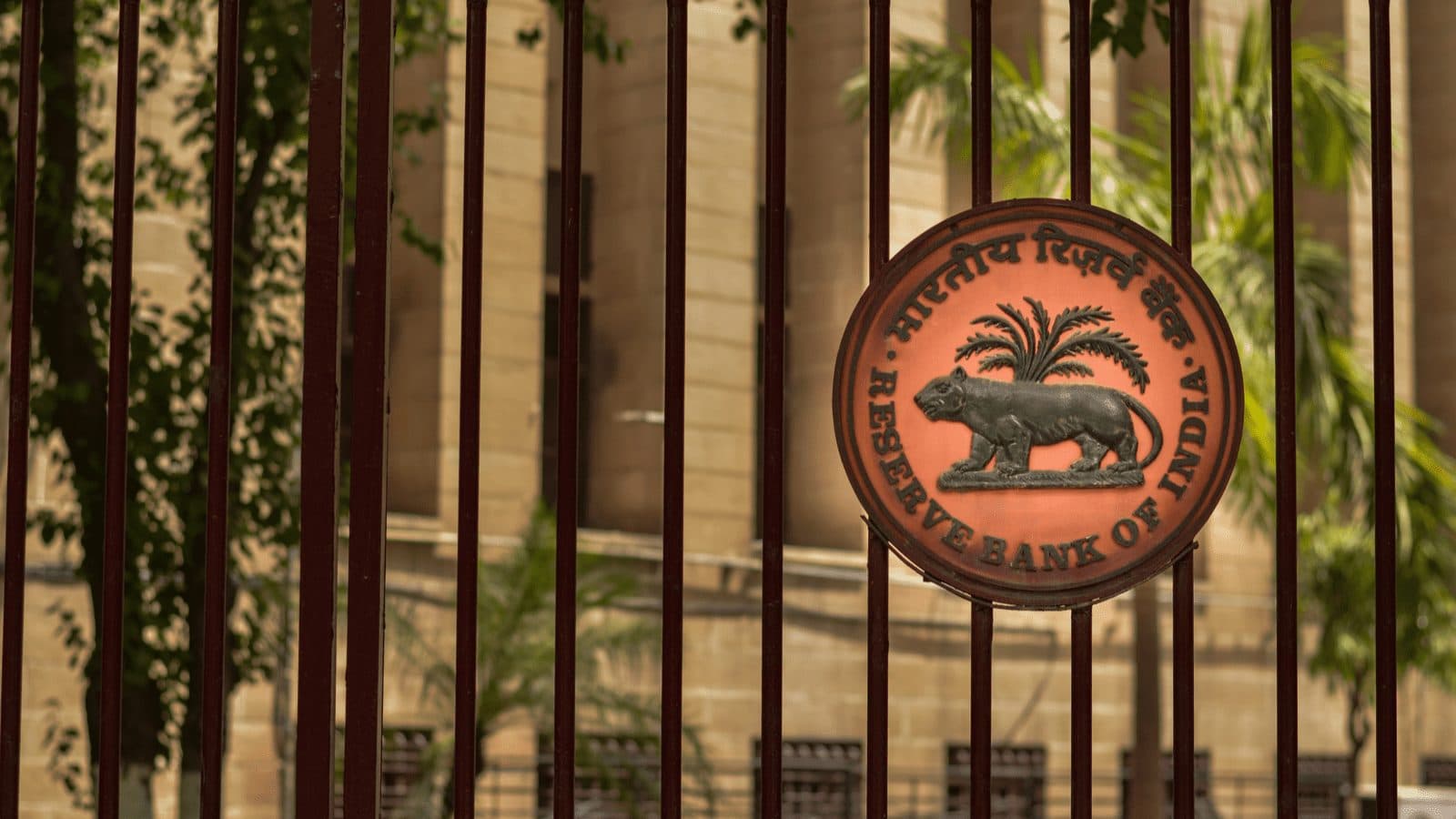
The RBI logo on the closed iron gate of Reserve Bank of India | Credit: Shutterstock
- India has outlined its key motivations behind planning a CBDC pilot
- It’s the first time the country’s central bank has conveyed its intentions since February
In India, the central bank is pushing ahead with its central bank digital currency (CBDC) in the belief it may counter perceived threats posed by cryptocurrencies to the nation’s financial stability.
The Reserve Bank of India (RBI) outlined its intentions for its digital rupee — still in a research phase — in a concept note on Friday.
The note extends upon the bank’s initial musings in February, when it flagged intention to implement a CBDC sometime between 2022 and 2023.
As per recommendations of an internal working group established by the bank in October 2020, the RBI now says it’s exploring an account-based wholesale CBDC as well as a token-based retail CBDC via a “graded approach.”
Retail CBDCs refer to electronic forms of cash while wholesale CBDCs are used for interbank transfers between financial institutions.
Both wholesale and retail models are designed to improve efficiency and streamline settlement while reducing operating costs and fostering financial inclusion, the RBI said.
RBI outlined various phases before a final CBDC pilot: building a prototype, stress testing the project under both negative and positive use cases and finally evaluating results.
The central bank added that CBDCs are sovereign currencies providing greater control over its financial fate as it attempts to counter the “rapid mushrooming of private currencies” which has challenged fundamental notions of money “as we know it.”
“In this context, it is the responsibility of [the] central bank to provide its citizens with a risk-free central bank digital money which will provide the users the same experience of dealing in currency in digital form without any risks associated with private cryptocurrencies,” the RBI said in its note.
Private cryptocurrencies, in this case, are considered any digital currency not issued by the state. Following a determination of the end results, India may move forward with implementation, the bank said without providing a definitive deadline.
India joins long list of CBDC research projects across the globe
Given other bank-issued digital currencies have been slow off the mark, India’s lofty implementation plans could take years to see through to execution, if at all.
China’s digital yuan, while still in pilot phase, is the first of its kind to be tested and issued by a major economy. It has taken considerable time to develop, extending as far back as 2016 from when the country first announced its CBDC intentions.
In a bid to meet China’s rising ambitions, the US began exploring concepts for both retail and wholesale CBDCs beginning in 2020 and in earnest throughout 2021 under Project Hamilton.
Data from CBDC Tracker shows most developed economies around the world have begun researching CBDCs, with more than 120 projects listed. Of those, just two central banks — the Bahamas and Jamaica — have fully deployed CBDCs.
Six countries including Singapore, Philippines, Denmark and Ecuador have canceled their endeavors altogether, and only nine CBDCs are currently in the proof-of-concept stage.
There are seven active CBDCs pilots around the world, including projects in Canada, Saudi Arabia and France.
Get the news in your inbox. Explore Blockworks newsletters:
- The Breakdown: Decoding crypto and the markets. Daily.
- 0xResearch: Alpha in your inbox. Think like an analyst.
