Google Cloud is now a Polygon validator
Polygon is transitioning to a validium-based system supported by zero-knowledge proofs
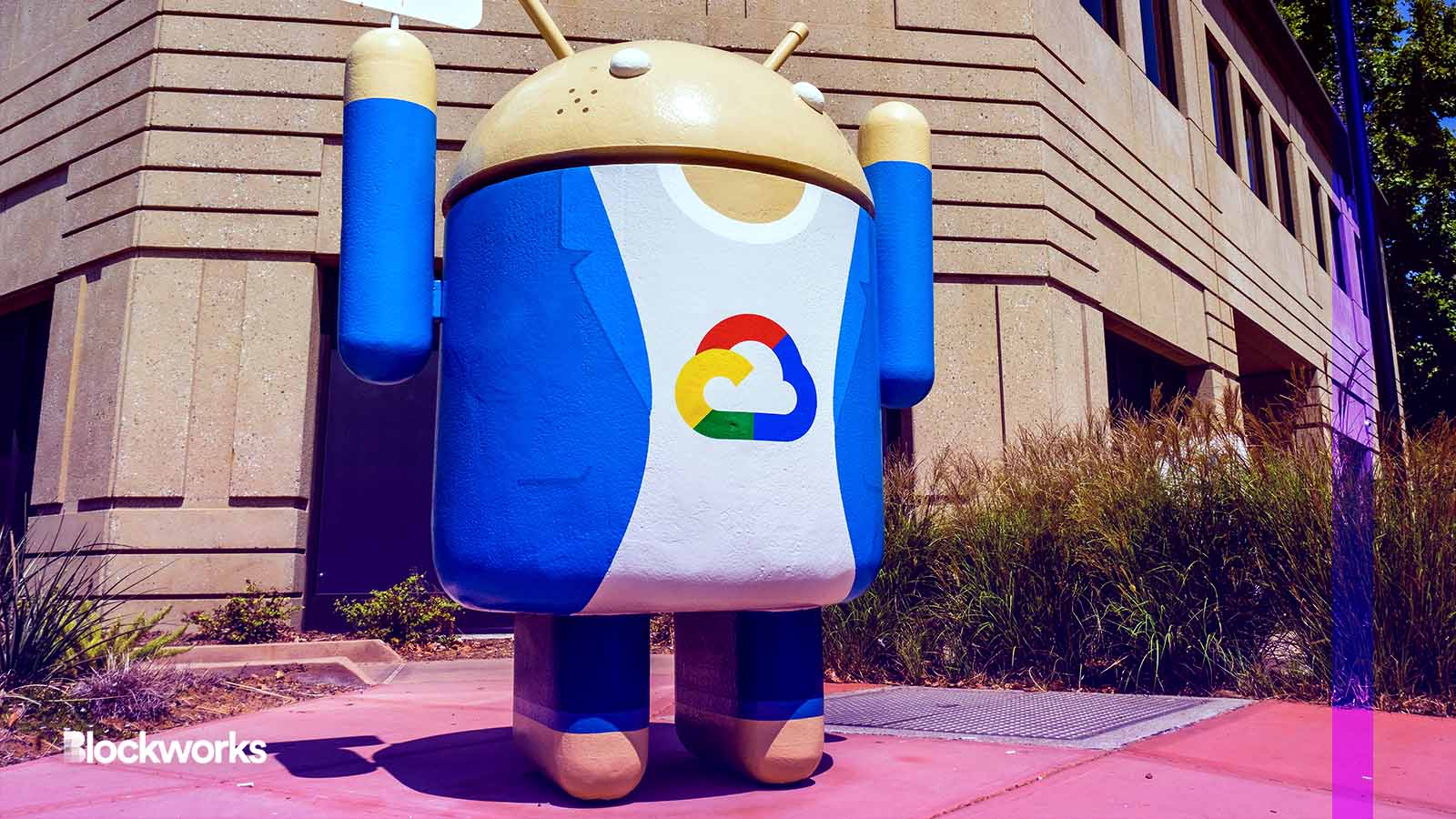
Sundry Photography/Shutterstock modified by Blockworks
Polygon announced Friday that Google Cloud is officially a validator for the proof-of-stake sidechain.
This comes months after T-Mobile’s parent company, Deutsche Telekom, also became a validator, showing that Polygon is consistently attracting the interest of large technology firms.
Polygon took to X to share the news, saying that the same infrastructure that powers YouTube and Gmail, both products boasting billions of users, will now be helping secure its own network.
Google Cloud has staked just over $5,300 worth of MATIC on Polygon so far, according to Polygon’s staking dashboard.
Besides being another big tech name being attached to Polygon, Google’s involvement could have implications for Polygon’s anticipated switch from a PoS chain to a validium.
Read more: T-Mobile parent joins Polygon blockchain as validator
Validiums are similar to zero-knowledge proofs, but they diverge in how they store data. Instead of storing data on Ethereum, validiums rely on off-chain storage solutions, which makes the blockchain less clogged and more efficient.
Polygon did acknowledge the need for off-chain storage as a decentralization tradeoff in a June blog. Plus, since only the proofs are stored on-chain, rather than the underlying data, validiums don’t benefit from the security of Ethereum.
Still, when the transition to a zkEVM validium goes through, perhaps by early 2024 according to Polygon Labs, Google Cloud will be among 100 other validators securing the chain and guaranteeing data availability.
Get the news in your inbox. Explore Blockworks newsletters:
- The Breakdown: Decoding crypto and the markets. Daily.
- 0xResearch: Alpha in your inbox. Think like an analyst.
