ERC-6551 Turns Any NFT Into a Web3 Wallet
All NFTs on Ethereum, from CryptoKitties to the latest projects, can hold other tokens
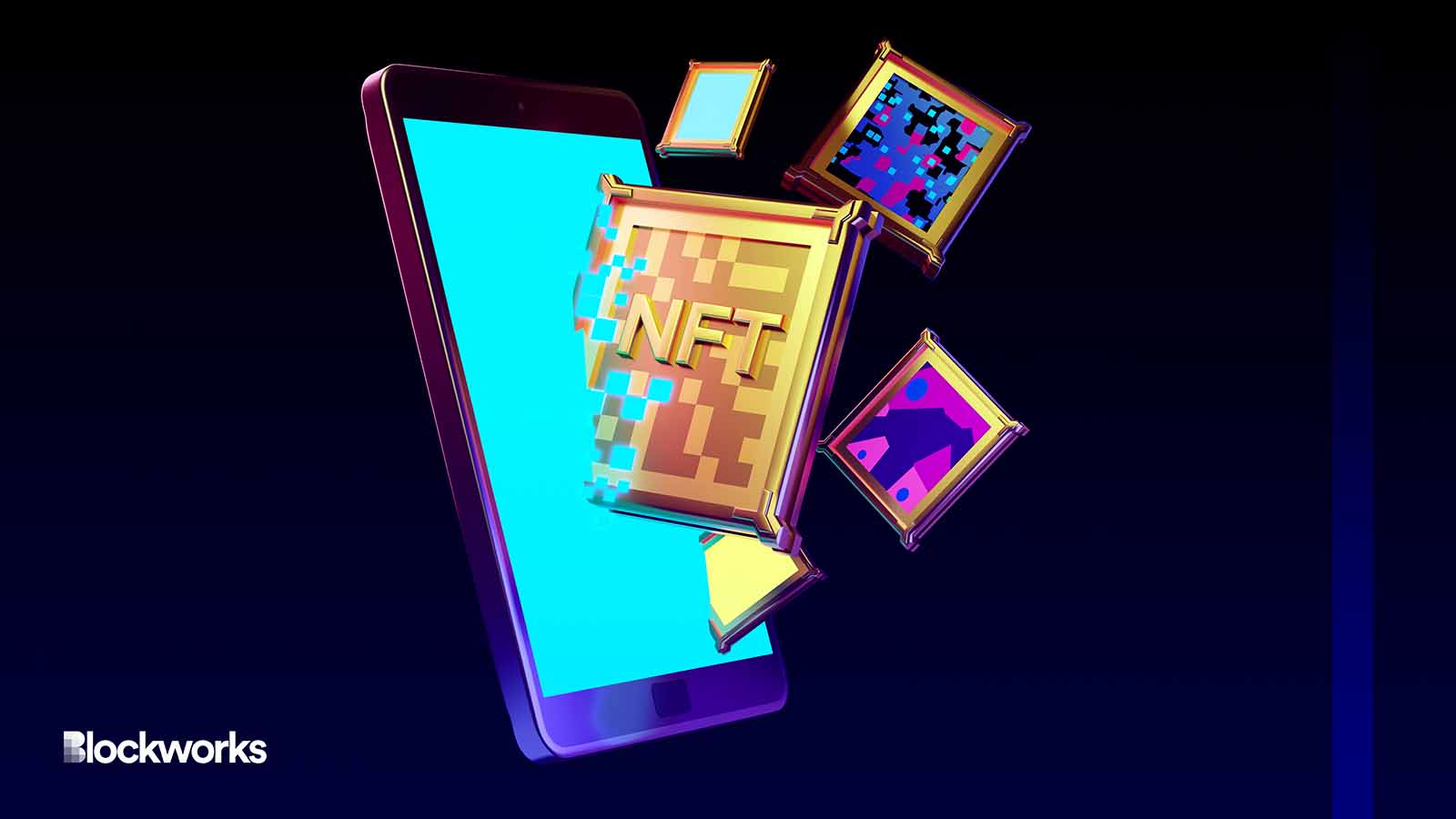
Alongkorn Sanguansook/Shutterstock modified by Blockworks
Cookie, cloud, web, spam — they’re all expressions connecting internet phenomena to relatable experiences.
Part of the process of developing technology is deciding on the vocabulary that connects human understanding to the purpose of new mechanisms. But sometimes, it’s difficult to encapsulate complex ideas in simple words.
The word “wallet,” used to label a common Web3 account tool like MetaMask, is often considered a bit of a misnomer. It just doesn’t quite fit what the tool is capable of doing.
Like a Web3 wallet, a real-life wallet can hold identity information, currencies and maybe a photo or two, but it doesn’t have an address or keys, it doesn’t connect a user to activities or act as a passport to places or events — and it generally doesn’t store hundreds of collectibles or works of art.
Now, to make things even a little more complicated: The ERC-6551 protocol introduces token-bound accounts, enabling any individual NFT to be a “wallet,” for lack of a better term.
On a recent episode of the On the Other Side podcast, Benny Giang, the co-founder of Future Primitive and the historic CryptoKitties NFT collection, spoke with host Chase Chapman about the innovation.
The idea, Giang says, sprang from a project he created with renowned streetwear designer Jeff Staple, called Sapienz. The two decided to team up and “reimagine the future” of storytelling, streetwear and fashion through profile pictures, or PFPs.
Giang questioned whether PFPs should remain static and isolated, “Like, why are they wearing the same clothes forever?” he asks.
“What if we launched a PFP that looks super cool and you could change your outfits 10 times a day, 20 times a day, right? Because that is a natural expression of who you are.”
The a-ha moment
Keeping things on chain adds complexities “that really hinder what you can do with an NFT,” Giang says, with gas fees being the most significant barrier. This problem led to an “a-ha” moment for the two creators.
Attending a hack-a-thon in San Francisco, Giang says the “light bulb popped.”
“What if NFTs had their own wallets? And then if they have their own wallets, then they can talk to each other without MetaMask.”
“If they had their own wallets, they could own a digital hoodie or a digital t-shirt” to accompany a PFP, for example.
This sparked the creation of ERC-6551, which gives every NFT its own smart contract account or wallet, Giang says. “All the NFTs right now on Ethereum mainnet, from CryptoKitties all the way to the latest NFT project — they have their own account address, so they can actually hold any other token.”
Token-bound accounts allow NFTs to have two important properties, according to Giang. One is the ability to own assets. “It could hold onto ETH, it could hold USDC, it could hold pepe coins, it could hold other NFTs.”
The second property of token-bound accounts is the ability for NFTs to participate in social governance, he says. “So now that an NFT has its own account address, it could be a signer on a multisig, it could have its own ENS sub-domain. It could participate in voting on proposals.”
“It’s like giving an NFT a passport,” he says, allowing users access to a range of functions including bank accounts and voting.
Taking things a step further, Giang adds, “If we add AI in there, it could have a personality, it could be tweeting, and it could also execute on-chain actions.”
“This is a natural progression,” Giang says, “for us to interact with each other, for us to interface on the internet.”
Get the news in your inbox. Explore Blockworks newsletters:
- The Breakdown: Decoding crypto and the markets. Daily.
- 0xResearch: Alpha in your inbox. Think like an analyst.
