Celsius Banks on Future With New Plan Named ‘Kelvin’
The bankrupt crypto lender is weighing a new business model which executives say requires “absolute zero trust”
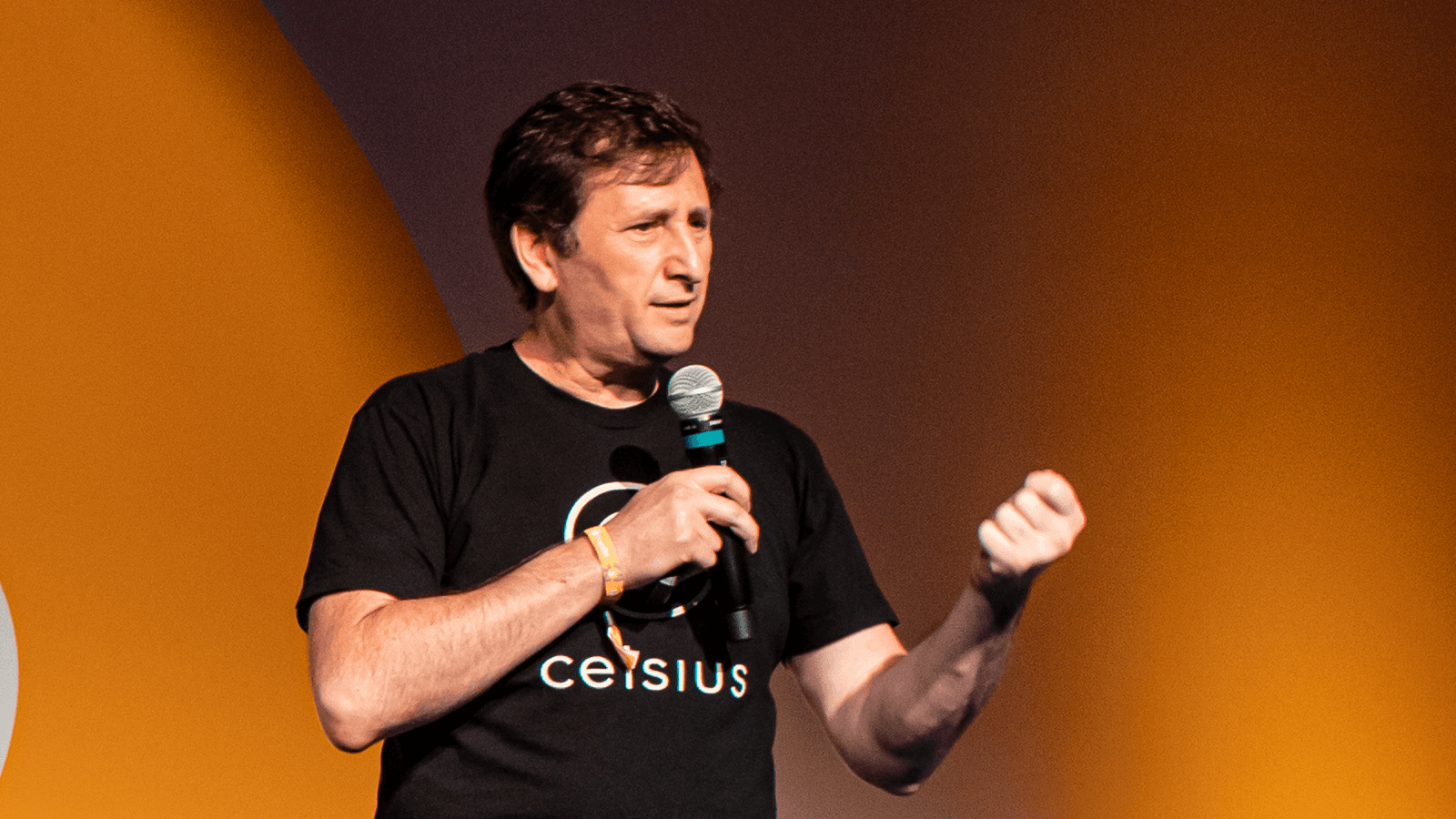
Alex Mashinsky, Celsius CEO; Source: Shutterstock
- Employees were skeptical about Celsius’ comeback plan at an all-hands meeting on Sept. 8
- The Federal Trade Commission is looking to join the case, court filings show
Celsius sparked a flurry of anxiety over liquidity issues in the crypto lending space after the company was unable to meet $5.5 billion in liabilities due to bad loans.
The lender is now putting together a restoration plan to help repay creditors and win back customers, according to a leaked recording of an all-hands meeting held on Sept. 8 shared by Celsius user Tiffany Fong.
At the meeting, CEO Alex Mashinsky and chief compliance officer Oren Blonstein outlined a plan for “Celsius 2.0” — an ambition to switch focus to custody. It would involve re-enabling some key services, allowing users that have funds in custody to stake, swap and take loans while they’re charged fees for certain transactions.
The plan is code-named “Kelvin,” a unit of temperature which takes absolute zero — equivalent to minus 273 degrees Celsius — as its lower bound. Blonstein chose to describe it as a concept of “absolute zero trust involved.”
Both executives were met with skepticism from employees, who asked how customers would trust Celsius after initially being told they wouldn’t be charged to get their money out.
Celsius has previously advertised its products as being fee-free as part of the lender’s “unbank yourself” motto.
In response, Blonstein used Binance as an example to say that several crypto businesses make revenue from charging a transaction fee on transactions.
“If we’re delivering valuable services, people should be willing to pay for it,” he said.
Separately, Mashinsky indicated that bankrupt companies have the potential to rebound aggressively after successful reorganization.
“Pepsi filed for bankruptcy twice, right? Does it make the Pepsi taste less good?” he said. “Delta filed for bankruptcy, right? Do you not fly Delta because they filed for bankruptcy?
Mashinsky described filing for Chapter 11 protection as “a test to see if you should exist,” adding “or are we gonna be in the dustbin of companies that were great or almost-great or great for a while, but disappear?”
The New York Times first reported the news.
Creditors are incredulous
The revival plan is just a proposal for now. It would still have to pass Celsius’ Unsecured Creditors’ Committee (UCC) before being brought to the court for approval. However, the UCC reportedly had concerns about the Kelvin proposal after meeting with executives.
Simon Dixon, founder of Bank to the Future and a Celsius creditor, called out Mashinsky for his claim of UCC support, and expressed skepticism over any plan with Mashinsky at the helm.
Celsius’ bankruptcy filing in July was a lesson in the risks of high-yield lending for investors. As several creditors are yet to recover their funds, the lender is working on monetizing its bitcoin mining business to support operations.
Celsius didn’t return Blockworks’ request for comment by press time.
As the bankrupt lender aims to turn down the heat, the case has sparked the interest of lawyers from the Federal Trade Commission, who filed with the court to represent the government agency on Tuesday.
Get the news in your inbox. Explore Blockworks newsletters:
- The Breakdown: Decoding crypto and the markets. Daily.
- 0xResearch: Alpha in your inbox. Think like an analyst.
