Alleged Bitcoin Launderer’s Lawyer Seeks Prisoner Swap With Russia
The only hope for Vinnik is Russia entering into negotiations with the US over the exchange of prisoners, his lawyer said
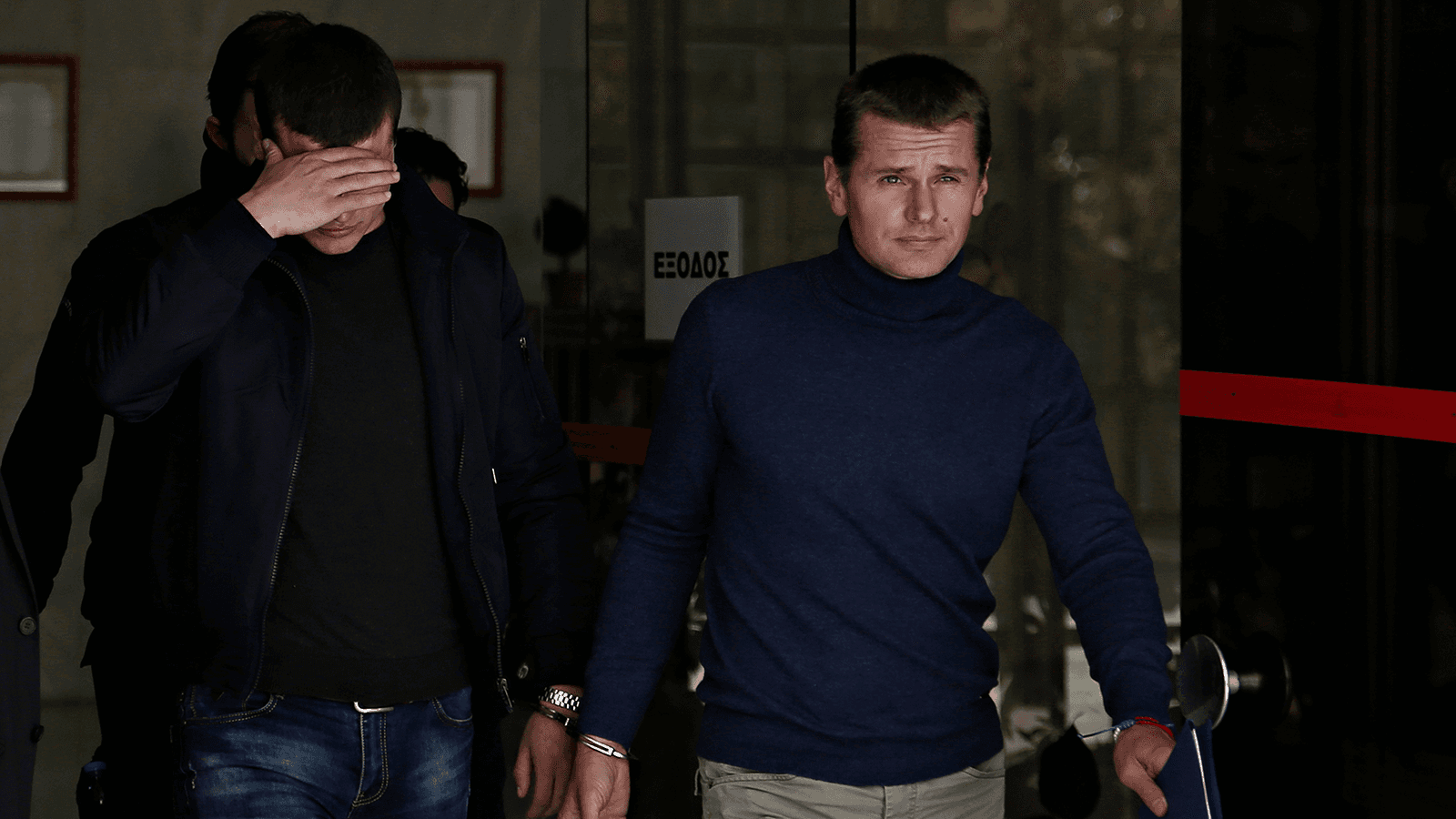
Alexander Vinnik; Source: Shutterstock
- Vinnik’s psychiatrists said he has partial loss of memory due to the stress of isolation
- He faces 55 years in prison, which the lawyer said equals a life sentence
Alexander Vinnik, the purported bitcoin launder who was recently extradited to the US after more than five years of litigation, is trying to find a way back home to Russia.
His French lawyer Frédéric Bélot requested Russia to mediate a deal with the US that involves releasing Vinnik as part of a prisoner swap.
Bélot wrote in a letter seen by Blockworks that the “only thing that can save Alexander” is Russian negotiations with the US. The letter, addressed to Foreign Minister Sergei Lavrov, details his client’s journey from pre-trial detention to extradition arrest.
Reuters first reported the news on Tuesday.
Bélot’s request comes about a month after US Secretary of State Anthony Blinken said Washington made a “substantial offer” to Russia to release US citizens held there. Blinken’s offer pertained to WNBA star Brittney Griner and former US marine Paul Whelan, who are detained in Moscow on separate charges.
Vinnik was charged in 2017 under a 21-count indictment for allegedly laundering over $4 billion of bitcoin through his crypto exchange BTC-e. The Department of Justice said he also obtained funds from the Mt. Gox hack and laundered those through various exchanges.
Chief Don Fort of the Internal Revenue Service’s Criminal Investigation said Vinnik “stole identities, facilitated drug trafficking, and helped to launder criminal proceeds from syndicates around the world.”
He was subsequently arrested in Greece at the US’ request that year while he was at a beachside village with his family. The US, France and Russia had fought for his extradition — and in 2020 he eventually moved to prison in France.
He was then briefly sent back to Athens, from where he was extradited to the US last month. The lawyer told Blockworks in an email at the time that he would continue to defend Vinnik alongside American counsel.
Vinnik denies he laundered bitcoin
Vinnik has never accepted the allegations he’s been charged with, and his lawyer says he continues to deny all charges against him.
Notably, the lawyer’s letter stated that Vinnik’s prison term in France was stressful — with psychiatrists determining he faced an episodic loss of memory. The lawyer also stated that Vinnik’s wife, Alexandra, died in November 2020 at the age of 34 after she underwent six surgeries for an unspecified illness.
Vinnik had requested French authorities permission to travel to Russia for his wife’s funeral, but that was “firmly rejected,” the lawyer said.
The letter further notes Vinnik’s children have stopped asking when he will return home as the separation has been extensive.
He faces a maximum penalty of 55 years on charges of operating an unlicensed money service business, conspiracy to commit money laundering and engaging in unlawful monetary transactions. Bélot described the term as equal to a life sentence.
The Russian foreign ministry didn’t return Blockworks’ request for comment by press time.
Get the news in your inbox. Explore Blockworks newsletters:
- The Breakdown: Decoding crypto and the markets. Daily.
- 0xResearch: Alpha in your inbox. Think like an analyst.
