Korea Stock Exchange Executive Calls For More Legislation as Crypto Volume Catches up to Equities Volume
The CEO of Korea’s stock exchange, Sohn Byung-doo, says more rules are needed to institutionalize crypto.
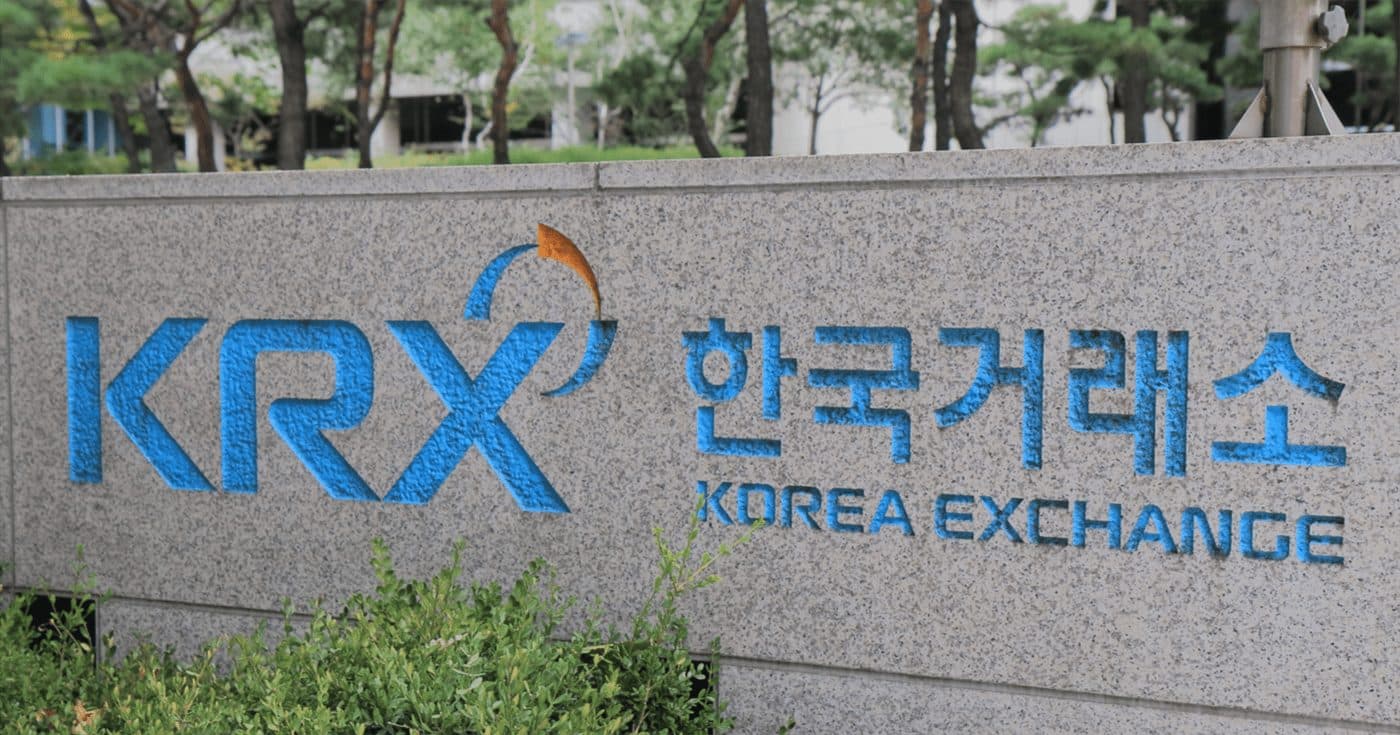
- The CEO of Korea’s stock exchange, the KRX, has said that it’s time to embrace virtual assets and called for proper regulation to help institutionalize the asset class
- He also revealed that trading volume for crypto might soon catch up to equities in the country
Sohn Byung-doo, a former regulator and now CEO of Korea Exchange, the operator of the country’s sole stock exchange, has called for a comprehensive set of regulations for cryptocurrency. He said that it’s time to “embrace digital assets” as any other component of capital markets.
“The virtual asset market is no different from the capital market in that it must support investor protection and transaction stability,” Sohn said during a speech at the 2021 Global ETP Conference.
“Since virtual assets have become ‘major’ investment assets, it is time to prepare an institutional framework.”
Sohn believes that Korea’s regulatory patchwork, which categorizes digital assets as something similar to intellectual property or patents — intangible assets, in accountant speak — isn’t conducive to domestic development of the sector.
Within Korea, the government is set to implement a steep capital gains tax on capital gains from digital assets next year. In addition, in order to push for higher KYC/AML compliance, local exchanges will soon be required to partner with legacy banks.
In turn, this has driven many traders offshore, as they don’t feel confident with the Korean regulatory regime.
“Now is the time for exchanges to compete directly with overseas exchanges,” he said, saying that the world is now in a “global one market era” which requires competition between regulators.
Sohn said that there are an estimated five million onshore digital assets traders in Korea, with more offshore.
And these millions of traders are able to push nearly $12 billion in daily volume. For comparison, Korea’s composite index, the KOSPI, has a daily volume of $16.1 billion.
In some ways, Korea finds itself in a similar situation to Indonesia, where there are more digital asset traders than stock traders. Indonesia’s daily turnover of trading is around $900 million a day while its cryptoasset volume is about $166 million, showing that digital assets trading in-country is the domain of small, retail investors.
Unlike in Korea, Indonesia’s digital asset trading industry is facing headwinds from the country’s national religious council, which, in mid-November, said that Muslims are forbidden to trade crypto.
Get the day’s top crypto news and insights delivered to your inbox every evening. Subscribe to Blockworks’ free newsletter now.
