US and China reps meet on neutral ground for a second time
Trump’s team is feeling positive headed into the trade negotiation meeting in London
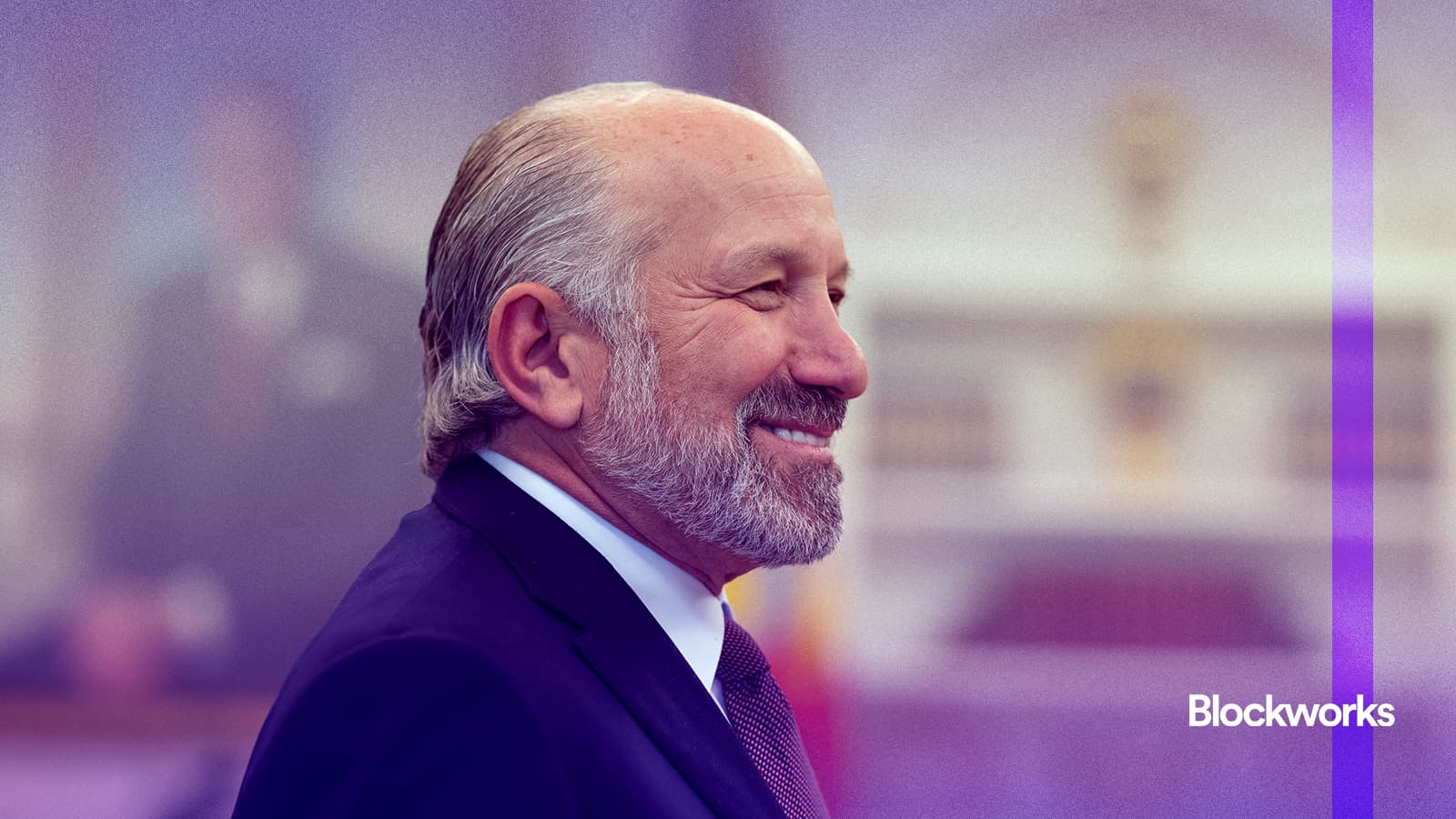
US Commerce Secretary Howard Lutnick | The White House/”P20250221MR-0164.jpg” (CC license)
This is a segment from the Forward Guidance newsletter. To read full editions, subscribe.
Representatives from the US and China kicked off a second round of trade talks in London today at 1 p.m. local time. National Economic Council director Kevin Hassett told CNBC this morning it should be a “short meeting with a big strong handshake.”
Here’s hoping.
President Trump sent his top dogs: Treasury Secretary Scott Bessent, Commerce Secretary Howard Lutnick and trade representative Jamieson Greer.
China’s delegation includes vice premier He Lifeng.
It’s the second US-China meeting on neutral ground in less than a month. Roughly three weeks ago in Geneva, representatives from both countries negotiated a temporary truce: a 90-day pause on retaliatory tariffs from both sides.
The amicability was short-lived, though, and it quickly became clear that the joint pause came with strings attached.
On May 30, Trump (via Truth Social) accused China of violating its half of the agreement. Greer later clarified on CNBC that China was “slow rolling” its compliance to the Geneva deal, specifically when it came to rolling back rare earth export restrictions.
Since April 4 (two days after “Liberation Day”), China has suspended almost all exports of several rare earth metals and magnets. This matters, because China mines 60% of the global supply of rare earths and manufactures 90% of the global supply of the magnets. Rare earth elements are essential for technology; they’re in cell phones, cars, lights, batteries, you name it.
The restrictions are poised to disrupt US supply chains, because the US doesn’t currently have much infrastructure to mine the metals domestically. Solvent extraction (the difficult process of separating rare earth minerals from one another) comes with bad impacts on the environment: high levels of toxic waste, water pollution, etc. The process was actually created in the US in the 1950s, but it’s expensive and unpopular in the States.
China said it implemented the export restrictions because rare earths have significant military applications. Trump and his administration have countered that China was actually retaliating against higher tariffs.
China became less inclined to back off on the rare earth restrictions after the United States’ escalation of its AI chip export restrictions, according to a report from the WSJ. Trump’s crackdown on Chinese student visas surely didn’t help calm the waters, either.
Over the weekend, though, things started looking up. China on Saturday loosened some of its export restrictions, although it did not specify which countries were impacted.
Trump on Friday said he expected today’s London meeting to go “very well,” based on a phone call he had with Xi Jinping.
The meeting also comes after a Chinese report released this morning showed that Chinese exports to the US were down 35% year over year last month. This is the largest annual decline since 2020.
US markets were mostly muted Monday as investors waited for word from London. The S&P 500 and Nasdaq Composite indexes were up 0.3% and 0.5% over the day, respectively, at 2 p.m. ET.
Given the general lack of progress (publicly, at least) on the “90 deals in 90 days” front, even the smallest bit of positive news from London today could be a huge catalyst for markets. Keep an eye on your inbox tomorrow for all the updates.
Get the news in your inbox. Explore Blockworks newsletters:
- The Breakdown: Decoding crypto and the markets. Daily.
- 0xResearch: Alpha in your inbox. Think like an analyst.