Sonieum launches mainnet to censorship complaints
The AIBO memecoin was blocked by Sonieum’s sequencer
Artwork by Crystal Le
This is a segment from the 0xResearch newsletter. To read full editions, subscribe.
Sony launched its much-acclaimed Soneium L2 blockchain yesterday. It had a somewhat rocky start.
Built atop the OP Stack, Soneium is a joint venture launch by Sony Group and Startale Group. The latter previously launched the Astar Network L1 and the Astar L2 zkEVM.
Soneium’s “Minato” testnet began in August 2024 and drew over 1,700 applicants to its Spark incubator, while garnering 47 million transactions over 14 million active wallets.
What’s placed Soneium in the Crypto Twitter limelight, however, are calls for the chain’s sequencer-level censorship.
Memecoins launched on the chain yesterday, such as AIBO, traded to a $2.7 million market cap high 13 hours after launch before being censored by Soneium’s sequencer and blocked on the chain’s block explorer (AIBO is a Sony-developed robotic dog from the 90s).
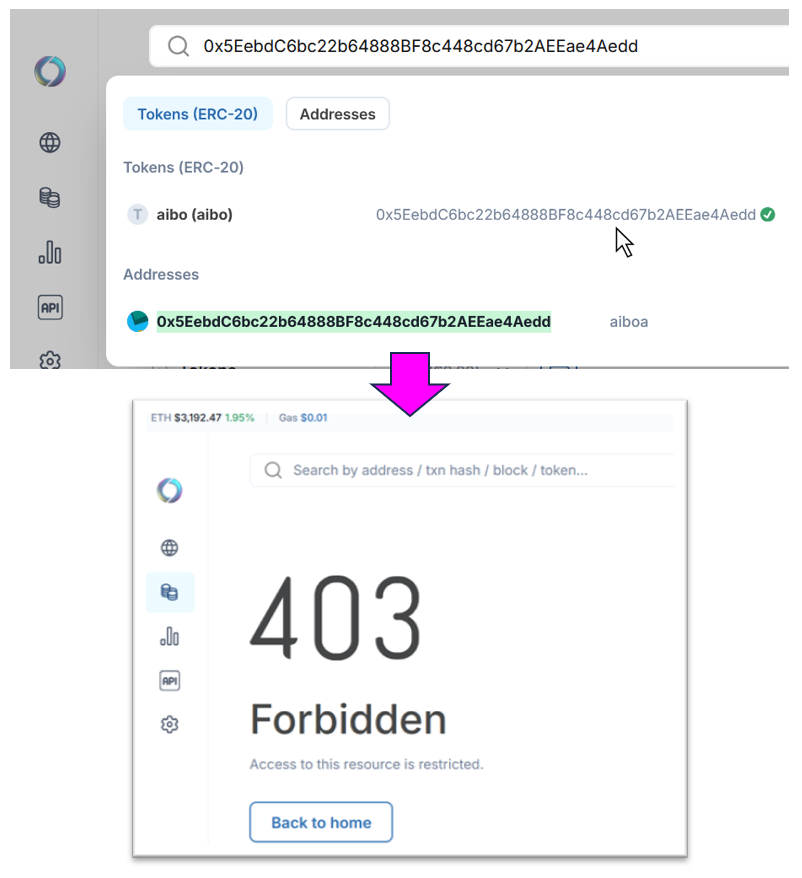 Source: Blockscout
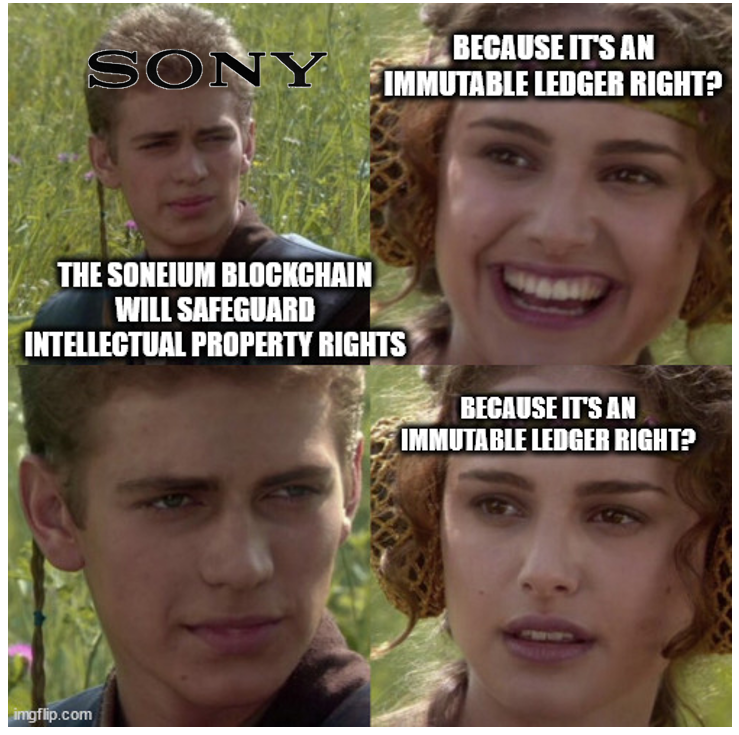
Surprised? You shouldn’t be. According to Soneium’s docs, the chain already planned a tiered restriction system to protect intellectual property rights. This system flags potential intellectual property violations and will enforce blocks at the RPC level if they’re not resolved in time:
Contract addresses on this list will have their activities restricted on Soneium, for example via RPC-level blocks, limited visibility on Block Explorer and exclusion from wallets.
It turns out, however, that L2s are more resilient than widely believed. The sequencer block backfired, as users were able to trigger a forced transaction inclusion mechanism on the Ethereum L1.
For OP Stack chains, any EOA (externally owned account) wallet can create an L2 transaction and call the main OptimismPortal contract, thereby allowing the submission of a transaction to Ethereum L1 without going through the L2’s centralized sequencer.
This mechanism is sometimes referred to by Ethereum researchers as an “escape hatch,” an interim failsafe solution pending L2 rollups decentralizing their sequencers.
As Justin Drake put it on a previous Bankless podcast, even a Stage 2 rollup with a centralized sequencer cannot freeze or steal assets like a centralized custodian could. Real-time censorship-resistance may be compromised, but the ability to force transaction inclusions still grants some explicit level of ownership over assets on L2 chains.
Sequencer decentralization is being tackled by Ethereum researchers in a myriad of ways, such as sequencer marketplaces like Astria and Espresso, or based rollup designs that simply defer sequencing duties to L1 validators (i.e. based sequencing).
“Based rollups, using Ethereum’s sequencers, offer real-time censorship resistance. Unless censorship resistance is baked in, there will always be risks. While there are risks, we will never see true decentralization, permissionless and security,” Brecht Devos, co-founder and CTO of Taiko, told Blockworks.
Putting aside the thorny discussion as to whether it was right for Soneium to censor, note that this “censorship” isn’t all that different from the kinds of permissioned chains that already exist as Ethereum L2s and on Avalanche subnets.
What’s truly questionable is Soneium’s decision from a practical perspective. Trying to blacklist every intellectual property violation on a permissionless ledger is a fiendishly complex task with no end in sight.
Get the news in your inbox. Explore Blockworks newsletters:
- The Breakdown: Decoding crypto and the markets. Daily.
- 0xResearch: Alpha in your inbox. Think like an analyst.
