North Carolina closer to holding crypto on its balance sheet
The first version of the bill focused on metal bullion, but House members elected to add in virtual currencies during the mark-up process earlier this month
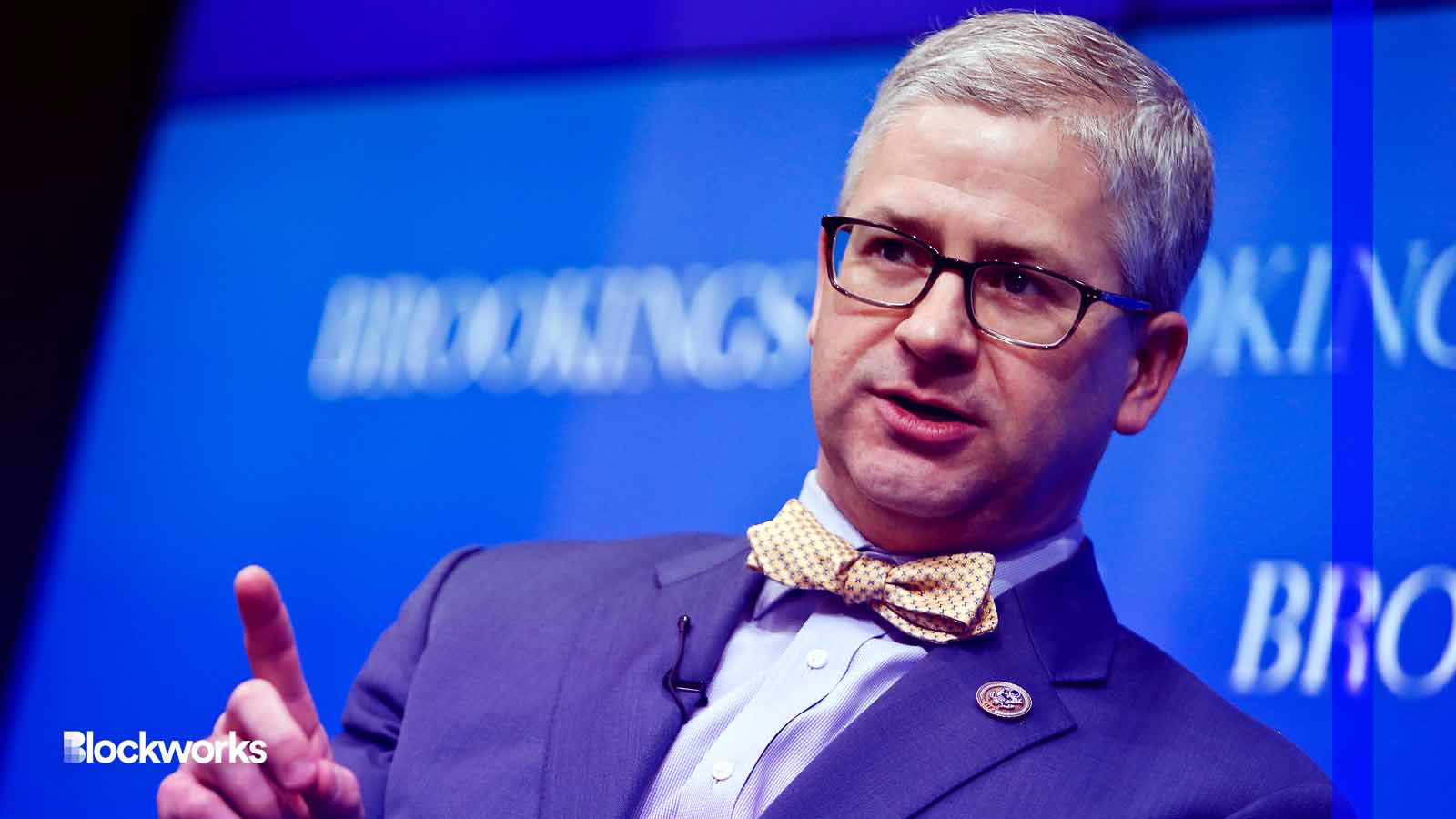
US Rep. Patrick McHenry | Paul Morigi for Brooking Institution (CC license)
The North Carolina House has successfully passed a bill to initiate a study regarding the potential inclusion of cryptocurrencies within the state treasury.
The bill, House Bill 721, advanced to the Senate Thursday after passing the House with 73 votes in favor and 40 votes against on Wednesday, according to the North Carolina General Assembly.
The bill specifically tasks the North Carolina State Treasury Department with conducting an investigation into the acquisition, storage, and utilization of investments involving metal bullion and virtual currencies such as bitcoin.
If passed, the Treasury must consider how investments in virtual currencies could be used “to hedge against inflation and systemic credit risks, reduce overall portfolio volatility, and increase portfolio returns over time,” the bill states.
The first version of the bill only focused on metal bullion, but House members elected to add in virtual currencies during the mark-up process. Earlier this month, the House unanimously passed an amendment to the bill to include crypto asset custody as part of the study.
Dan Spuller, head of industry affairs at the Blockchain Association, testified before state legislators in North Carolina as they considered the amendment. North Carolina has become a federal leader in advancing national blockchain policy, and state laws should match appropriately, Spuller said on Twitter about the bill.
In Congress, Rep. Patrick McHenry, a Republican from North Carolina and head of the House Financial Services Committee, has made advancing crypto policy a priority this session. Most recently, McHenry has co-sponsored the Market Structure Bill discussion draft, an effort to give the CFTC more authority in overseeing crypto markets.
On the state level, North Carolina is not the only state interested in potentially advancing the role of digital assets. Lawmakers in Colorado legalized crypto tax payments last year, although the program has yet to gain widespread popularity.
New York and Wyoming have also become leaders in crypto regulation. New York’s BitLicense program is expected to become the model for other states looking to regulate exchanges and brokers, and the system may influence federal policy. Wyoming’s crypto-friendly banking charter, the first of its kind, has brought more firms to the state, although the banks still face challenges on the federal level.
North Carolina’s state legislative session adjourns at the end of August, so senators will have to act quickly if they want this bill to make it to the governor’s desk before then.
Get the news in your inbox. Explore Blockworks newsletters:
- The Breakdown: Decoding crypto and the markets. Daily.
- 0xResearch: Alpha in your inbox. Think like an analyst.
