New CFTC Bill Could Overrule SEC but Leaves Fate of Many Crypto Tokens Unresolved
If the bill is passed, it would not be the first time that the legislative branch has stepped in to categorize investment vehicles
Source: Shutterstock
- Taking the burden off the SEC, Congress takes a stab at classifying crypto tokens
- The bill highlights an ongoing power struggle between the SEC and CFTC over cryptoasset classification
The SEC has tried for years to classify crypto tokens — with little movement. Now, the Senate wants to take a crack at it.
The move is legally sound, experts say, but there’s no guarantee it will succeed.
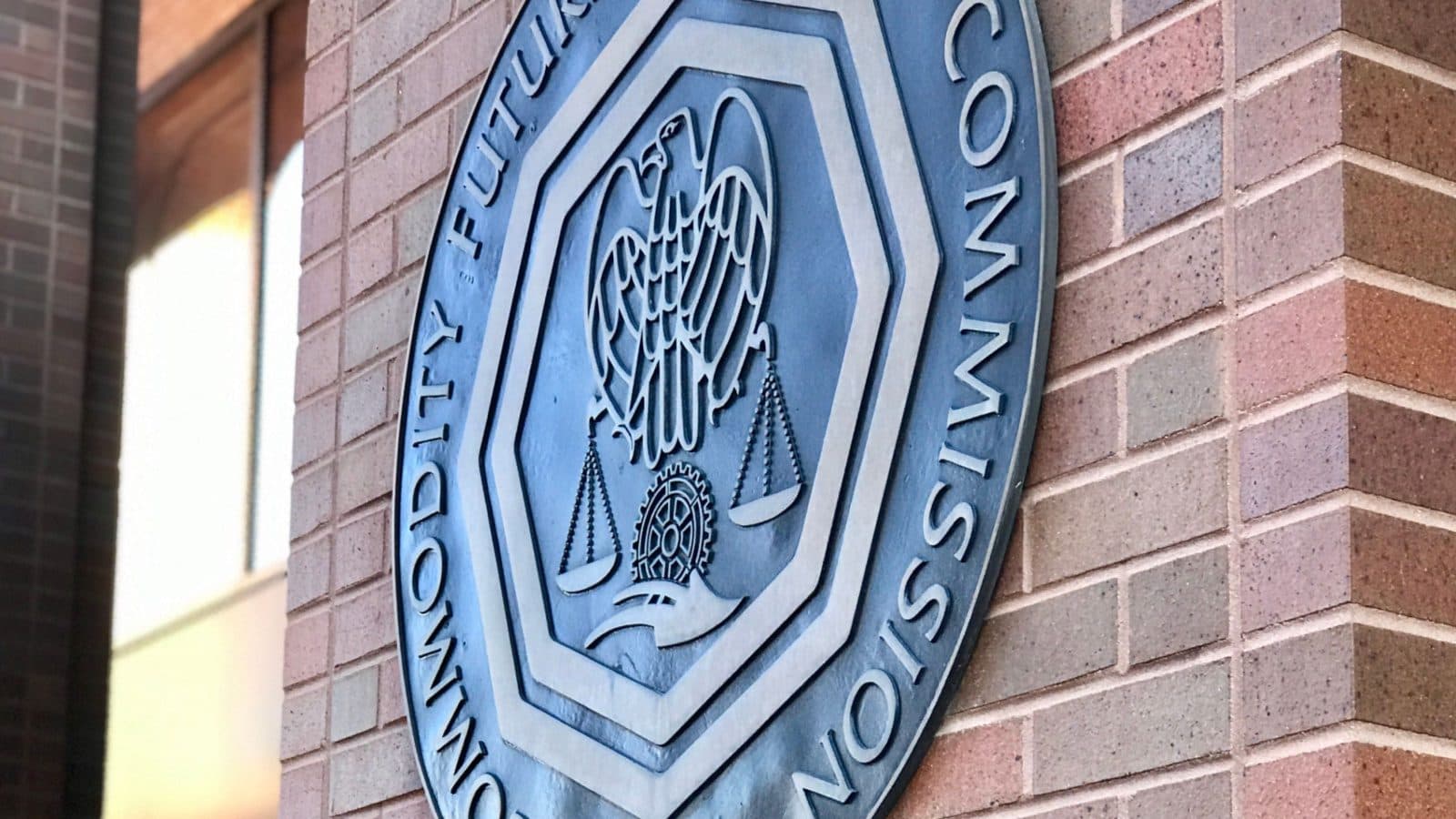
Sens. Debbie Stabenow, D-Mich., and John Boozman, R-Ark., introduced the Digital Commodities Consumer Protection Act on Wednesday. The proposed legislation suggests that the CFTC should control crypto spot markets, specifically bitcoin and ether, which the bill classifies as commodities.
The notion highlights an ongoing power struggle between the SEC and CFTC over how cryptoassets are classified — and by whom.
“You wouldn’t think it, but agencies are aggressive about trying to get jurisdiction,” said Grant Fondo, a partner at Goodwin Procter and a former federal prosecutor. “It can lead to agencies firing off a bunch of subpoenas or informal requests to get information…and it is a real burden to companies when they get these things, particularly if you’re getting it from two or three agencies about the same product.”
In July, the SEC alleged in a complaint against a former Coinbase product manager that nine crypto tokens were securities — AMP, RLY, DDX, XYO, RGT, LCX, POWR and DFX. The case highlights the SEC and Chair Gensler’s continued interest in regulating cryptocurrencies like stocks, but this particular classification has provided little clarity, legal experts said.
“We’ve been looking at some of the underlying token projects to see if we can kind of garner any trends, and it really seems to be pretty all over the map,” said Meghan Spillane, a partner in Goodwin Procter’s complex litigation and dispute resolution practice. “Some of these projects had foundations; some of them do not; some of them have a [decentralized autonomous organization] component; some of them do not, so I don’t think that we can draw many definitive trends from these nine that were chosen that can really add to the rules of the road.”
If the bill is passed, it would not be the first time that the legislative branch has stepped in to categorize investment vehicles, another attorney pointed out.
“Congress certainly has the power to classify tokens, just as it can and does lawfully classify other assets,” Patrick Daugherty, a partner at Foley & Lardner LLP, told Blockworks. “For example, Congress has classified ‘stock’ and ‘notes’ and ‘investment contracts’ as securities. This is well within its powers under the Commerce Clause of the Constitution.”
Given the sheer number of cryptocurrencies, though, it would be impractical for Congress to assign each a category, which is where regulatory agencies such as the SEC and CFTC step in, Daugherty added.
Per the bill, the SEC, which is roughly six times the size of the CFTC, will still control some aspects of governance over the crypto industry, but the bill does not detail exactly what the division of responsibilities will look like. It also does not spell out the requirements to determine an asset’s status.
“If there were more clear lanes of which agency is responsible for looking at which products and which assets, that certainty I think would be a really good thing for the industry,” Spillane said.
It is, of course, possible, and some say likely, that the bill becomes more comprehensive in the coming months.
“The stalemate between the SEC and the CFTC regarding the proper classification of the thousands of digital assets other than bitcoin and ether would be left unresolved unless the bill were amended before adoption,” Daugherty said. “I have got to believe that this issue will receive attention during hearings and mark-ups.”
Even with the future of token classification up in the air, issuers and exchanges can now take some steps to promote compliance.
“There are five to ten hallmarks, if you will, that the SEC has identified in [the Coinbase] complaint,” Fondo said. “Issuers should look at them and decide where they fall and what they can give on, these are the talking points with our clients right now.”
Get the news in your inbox. Explore Blockworks newsletters:
- The Breakdown: Decoding crypto and the markets. Daily.
- 0xResearch: Alpha in your inbox. Think like an analyst.
