Biden Nominee for Treasury’s Terrorism and Financial Intelligence Unit Prioritizes ‘New Regulations’ Around Cryptocurrency
Brian Nelson notes importance of balancing laws with support of “responsible innovation”
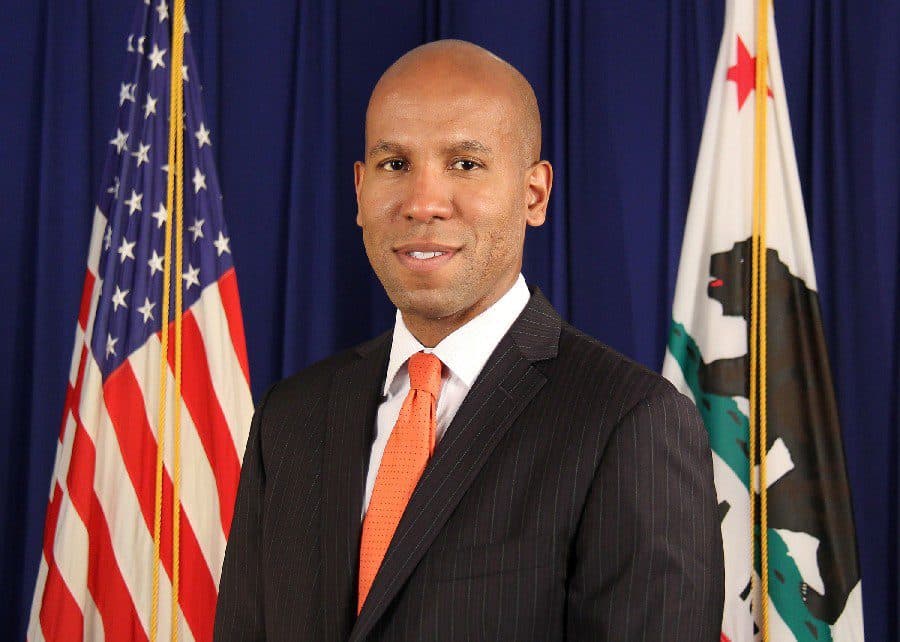
Brian Nelson
- Nominees Nelson and Elizabeth Rosenberg call cryptocurrency regulation a priority during Tuesday hearing of the Senate Committee on Banking, Housing, and Urban Affairs.
- Democratic and Republican senators imply different levels of personal concern around digital assets space
President Biden’s nominee for the Department of the Treasury’s under secretary for terrorism and financial intelligence labeled new regulations around cryptocurrency as a priority of his if confirmed.
Brian Nelson, nominated to lead the unit responsible for developing and implementing the National Money Laundering Strategy and other policies and programs to fight financial crimes, said that he would implement pieces of legislation within the Anti-Money Laundering Act of 2020, but noted the importance of not shutting down safe new technologies.
The law was passed on January 1 and made significant changes to the Bank Secrecy Act of 1970 by expanding the duties and powers of the Treasury’s Financial Crimes Enforcement Network, known as FinCEN.
“I think the other really powerful piece of that legislation is that it reflected a balancing of regulating to prevent virtual currency and other types of new technology from undermining our anti-money laundering system while also being respectful of the fact that we need to support responsible innovation and preserve that here in the United States and not see that market and opportunity leave the country,” Nelson said.
His comments came during a Tuesday hearing of the Senate Committee on Banking, Housing, and Urban Affairs. He was responding to a question by Sen. Catherine Cortez Masto, a Democrat from Nevada, who noted that “money laundering, tax evasion, terrorist financing and fraud follow privately created and managed currencies.”
Elizabeth Rosenberg, Biden’s nominee for assistant secretary of the Treasury’s terrorism financing division, added during the hearing that she would ensure the regulatory regime that applies to cryptocurrency is appropriate and consistent across areas of regulation. Assisting financial regulators in other countries to implement laws and controls will also be critical, she added.
 Elizabeth Rosenberg
“Without that kind of collaboration and without other countries having the appropriate regulatory framework, it’s all too easy for criminals to avoid US jurisdiction and conduct their illegitimate and criminal activity from other jurisdictions,” Rosenberg said.
US regulators have imposed $2.5 billion in penalties against people and firms related to crypto over the last decade, according to blockchain analytics provider Elliptic. The bulk of the fines related to unregistered securities offerings and fraud. While the SEC imposed $1.7 billion of the penalties, the Commodities Futures Trading Commission and FinCEN collected $624 million and $183 million, respectively.
Sen. Cynthia Lummis, a Republican from Wyoming, used a portion of her questioning time during the hearing to tout digital asset analytics providers, which she said helped law enforcement agencies recover 85% of the digital assets paid in a ransomware attack on Colonial Pipeline.
She also referenced a report by Chainalysis, which found that the criminal share of all cryptocurrency activity was 0.34% in 2020, down from 2.1% the year before.
“It seems to me like we would still be working on recovering this money if it was done by wire transfer or other traditional payment rails, so there are real advancements in the [cryptocurrency] space of which I think many people are unaware,” said Lummis.
