News Startup Semafor To Return Funds Linked to FTX Founder
Sam Bankman-Fried and his brother Gabriel personally made undisclosed investments in Semafor as part of a $25 million funding round in June last year
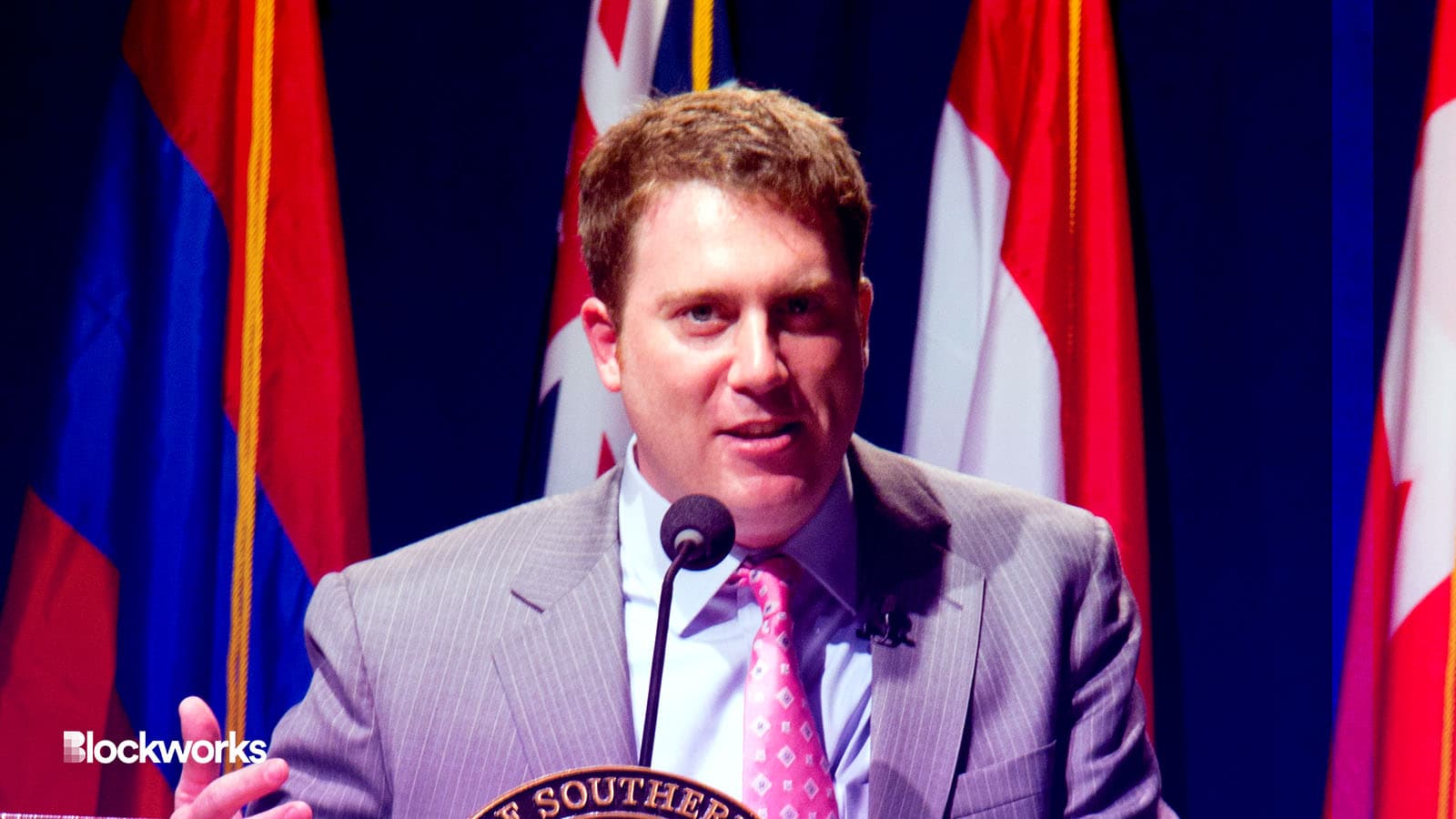
Semafor co-founder Ben Smith; Source: Neon Tommy, CC BY-SA 2.0, via Wikimedia Commons, modified by Blockworks
Global media company Semafor is reportedly set to surrender Sam Bankman-Fried’s pool of investment after being criticized for keeping dirty money.
The Wrap reported on Monday that the New York-based media firm “intends to redeem” the investment, of which the size is unknown as yet.
Sam Bankman-Fried, and his brother Gabriel, made undisclosed investments in Semafor as part of a $25 million funding round, according to Crunchbase data. He is said to have funneled millions to other media outlets including ProPublica, the Intercept, Vox, the Law and Justice Project and Fox Media.
“They all took it, and none of them broke the story,” podcaster Jack Posobiec tweeted.
However, ProPublica said last month that it would return the $1.6 million it had received so far from Bankman-Fried’s family foundation.
Launched less than three months ago by former Bloomberg CEO Justin Smith and former New York Times columnist Ben Smith (who are not related), Semafor calls itself a global news-focused digital media firm for “college-educated readers.”
Bankman-Fried’s exact stake in Semafor isn’t clear, but Justin Smith told employees in a Dec. 2 memo that the crypto boss’ investment hadn’t yet been converted to equity. He also had no influence over editorial coverage, Smith added.
The former FTX CEO’s investment in Semafor first drew attention when the outlet reported Elon Musk had asked Bankman-Fried to “roll the $100 million stake he had owned for a few months into a privately held Twitter.” Musk debunked the claim, and called out the outlet for a conflict of interest due to its ties to Bankman-Fried.
Meanwhile, Semafor’s editor-in-chief Ben Smith told Musk: “Like you and many others, we took an investment from him. We have covered him aggressively, and disclose it every time we write about him.”
Semafor and a spokesperson for Bankman-Fried didn’t return Blockworks’ request for comment by press time.
After FTX’s implosion, Semafor came under attack for not returning the disgraced crypto boss’ investment. The outlet provided a statement to blogger Mickey Klaus that it had received all investments “in full in USD,” and that it wasn’t expecting its business to be financially impacted.
But Klaus hit back, saying in a blog: “That’s nice, but actually I wasn’t worried that Semafor wouldn’t be able to hold on to its Bankman bucks. The question is more: Will Semafor give the money back?”
“If only to be able to hold their heads up, they should send the money back,” he added.
Bankman-Fried was arrested in December and most recently pleaded not guilty to criminal charges that US prosecutors have described as an “epic” fraud.
Get the news in your inbox. Explore Blockworks newsletters:
- The Breakdown: Decoding crypto and the markets. Daily.
- 0xResearch: Alpha in your inbox. Think like an analyst.

