Israel Seizes Binance Accounts Allegedly Linked to ISIS, Hamas
Binance says criminals don’t just sign up with their real names and list their terrorist organization as their job title
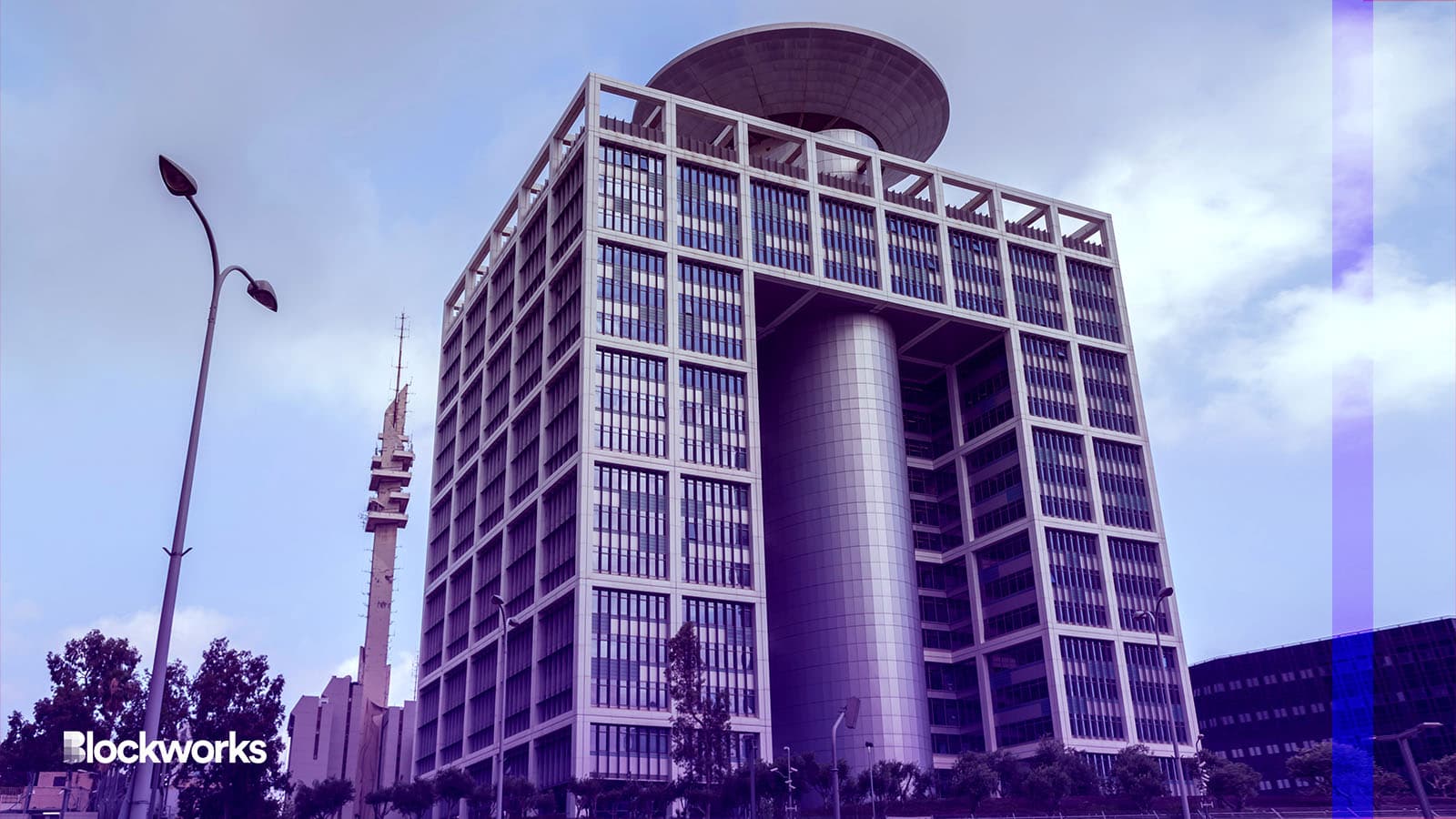
Israel’s Ministry of Defense, Tel Aviv; Source: ColorMaker/Shutterstock, modified by Blockworks
Binance is no stranger to controversy and has regularly found itself entangled in several scandals in recent years.
An Israeli anti-terror finance squad halted suspicious Binance accounts the government says are linked to Islamic State and Hamas, two notorious extremist groups with a history of violence and terrorism, forcing Binance to once again defend its compliance record.
The agency seized some 190 accounts on Binance over the past 18 months, Reuters reported on May 5, citing documents from Israel’s counter-terror authorities. Two of those accounts were tied to Islamic State and others were linked to the infamous Hamas group.
The document stated that the seizure of the accounts was necessary to prevent the activity of ISIS and hinder its ability to achieve its goals. It didn’t provide clarity on the value of the confiscated cryptoassets, or elaborate on the precise nature of the connection between the accounts and ISIS.
An individual identified as Osama Abuobayda, a 28-year-old Palestinian, was named as the owner of the two ISIS-linked Binance accounts seized by Israeli authorities.
Nearly all the others were owned by three Palestinian currency exchange firms, Al Mutahadun For Exchange, Dubai Company for Exchange and Al Wefaq Co. For Exchange.
The agency announced in April that it had confiscated roughly 500,000 shekels ($137,870) from about 80 Binance accounts associated with the three Palestinian currency exchange firms.
Binance issued a blog in response to Reuters’ report, denying inadequate compliance with anti-money laundering requirements and asserting its collaboration with international counter-terrorism authorities.
“With regard to the specific organizations mentioned in the article, it’s important to clarify that bad actors don’t register accounts under the names of their criminal enterprises,” the company wrote.
“This is why our team collaborates with law enforcement, and leverages information that is only available to them in order to identify individuals operating accounts for illicit organizations.”
The exchange added that it’s already helped law enforcement freeze more than $1 billion so far this year.
In Israel, the Defense Minister can seize assets tied to terrorists, whether it’s piles of cash, fancy cars or digital assets. The actions taken by Israel’s National Bureau for Counter-Terror Financing demonstrates how governments are paying closer attention to crypto companies and taking steps to prevent illegal activities.
Binance has previously faced scrutiny for questionable behavior. In July last year, Reuters reported that the crypto exchange breached US sanctions by catering to Iranian customers until Sept. 2021. Additionally, the platform allegedly assisted Chinese users in evading local regulatory measures to trade crypto, despite the country’s crypto ban.
Get the news in your inbox. Explore Blockworks newsletters:
- The Breakdown: Decoding crypto and the markets. Daily.
- 0xResearch: Alpha in your inbox. Think like an analyst.
