‘Stop crying about it’: Exorbitant ETH gas fees are just another stress test
ETH gas prices went up to 77 gwei yesterday as users rushed to mint a seemingly useless token
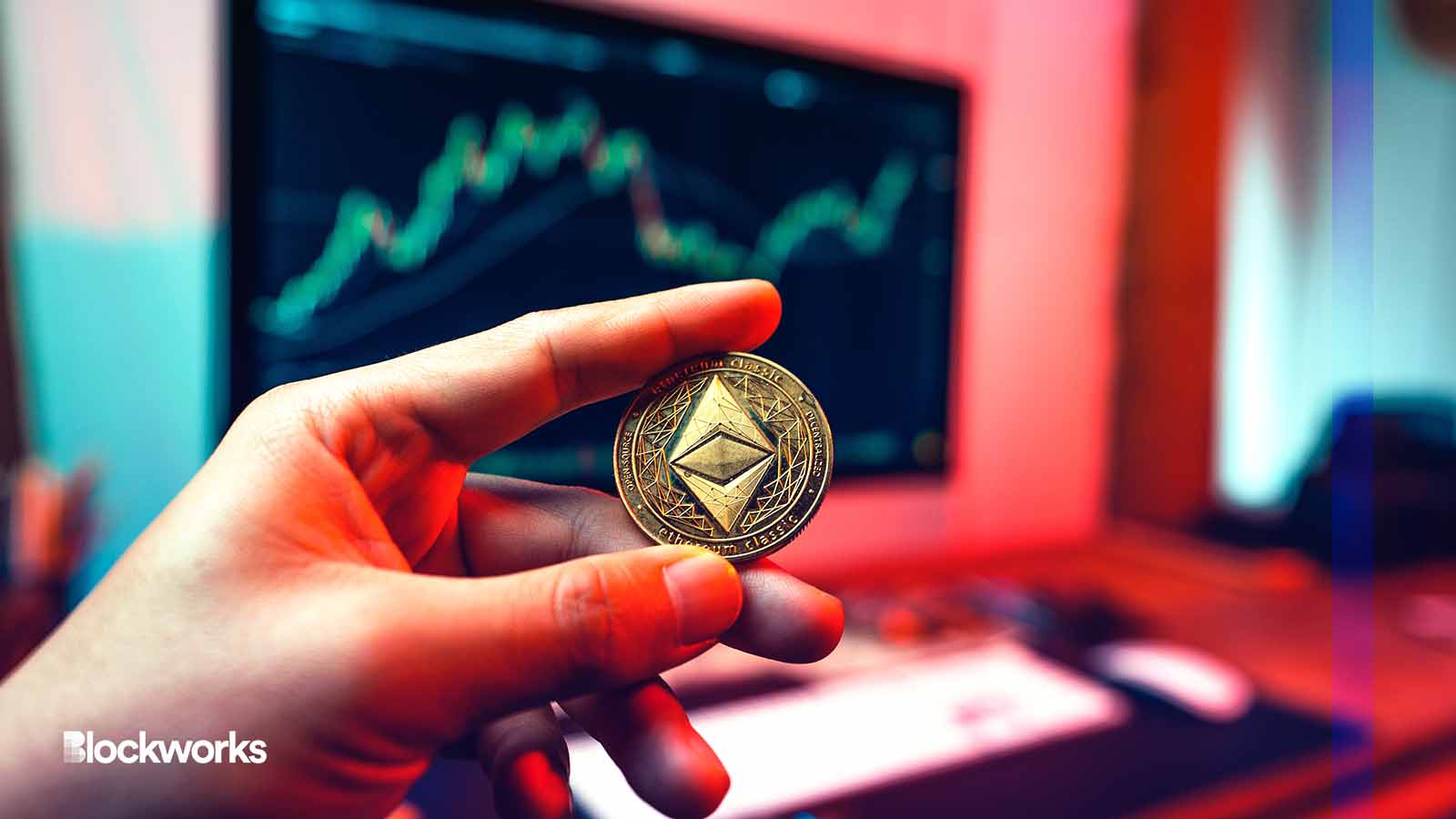
Art Rachen/Shutterstock modified by Blockworks
Ethereum gas prices spiked up to 77 gwei yesterday as users rushed to mint VMPX tokens, a project launched via XEN.
XEN is an ERC-20 — the standard for smart contract tokens on Ethereum — and is created through “proof of participation” where users must connect their wallet and express how long they are willing to wait to receive the token.
The value of XEN — or any other token that uses its smart contract to launch — is correlated to the number of people who want that specific token, as described in XEN’s white paper.
Users do not need to lock in any assets to mint the token and simply need to pay the transaction fee. Essentially, these tokens are designed to maximize block space and increase gas prices. They do not appear to have inherent value unless there is demand.
One particular user paid up to 1.3 ETH (almost $2,500) in gas fees to mint the VMPX token. It is unclear how much profit, if any, the user made from selling the token.
Pseudonymous twitter user zilbaghodler noted that “they are selling straight into the LP [liquidity pool] and making around $40 per $2300 they spend.”
This type of behavior significantly drives up gas prices for regular traders and can hinder mainstream adoption of blockchain technology.
“There is no trivial way to stop this,” software engineer and cryptocurrency trader Eric Wall tweeted in May. “The way you limit ‘bloat’ is by setting block size / gas limits at the consensus level.”
Although it is an uncommon case, Wall notes that these type of challenges will continue to arise as Ethereum scales
“They push us to make sure we have [layer-2] solutions in place and wallet infrastructure that can accommodate it,” Wall wrote. “It’s a stress test. It’s good and you should stop crying about it.”
Get the news in your inbox. Explore Blockworks newsletters:
- The Breakdown: Decoding crypto and the markets. Daily.
- 0xResearch: Alpha in your inbox. Think like an analyst.