Genopets Raises $8.3M for a Virtual Game with Real Benefits
Capital continues to pour into the red-hot play-to-earn (P2E) space as Genopets raises a seed round, amid surging demand for NFT-based games.
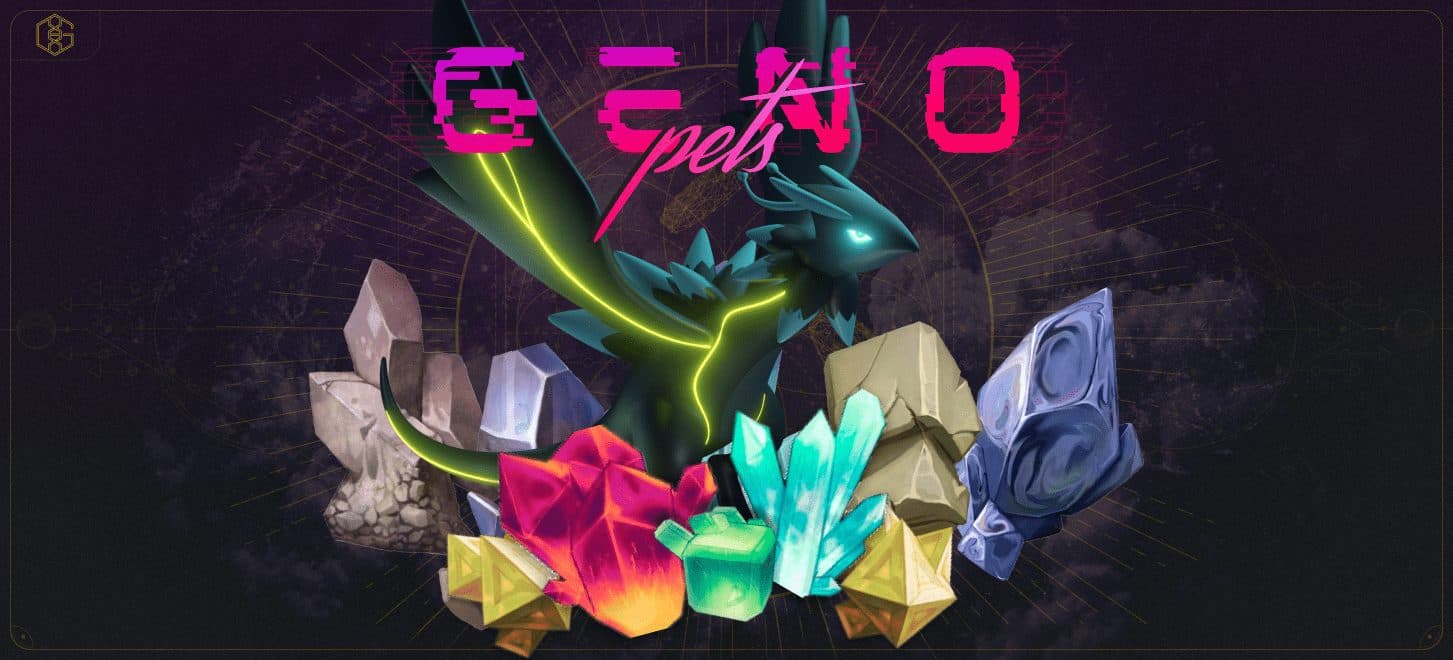
Source: Genopets on Medium
- Genopets allows users to do various real-world physical exercises to earn rewards within the game that players can later cash out
- Pantera Capital and Konvoy Ventures co-led the round with participation from Alameda Research and CMS Holdings
Genopets, a non-fungible token (NFT) game, raised $8.3 million in seed round funding, the company announced on Monday. Co-led by Pantera Capital and Konvoy Ventures, Genopets said the money will go towards their mission “to bridge the physical and digital world.”
Powered by Solana, Genopets is an NFT project that encourages users to do various real-world exercises to earn rewards within the game — rewards that players can later cash out. Advertised as the “world’s first play-to-move game”, Genopets aims to provide “passive income to individuals as an incentive to stay physically active”, according to a statement from CEO Albert Chen.
“Genopets is a liquid digital asset representation of a gamer’s physical activity in the real world. It sits at the intersection of gaming, play-to-earn, and physical activity,” Josh Chapman, Managing Partner at Konvoy Ventures, said. “This platform connects a gamer’s real-world steps with their progression, customization, and value creation in the Genopet universe.”
The fundraising announcement comes amid billowing demand for NFT gaming. According to a Dapp Industry report, the “play-to-earn movement” has been one of the key forces behind the NFT space’s astronomical growth.
Other participants in the round include Alameda Research, Solana Capital, DeFi Alliance, Yield Guild Games, CMS Holdings, CMT Digital and others. Genopets’ angel investors include Twitch Co-founder Kevin Lin, Quantstamp CEO Richard Ma and former Nike executive Melanie Strong.
“If I were to sum up Q3 in a single word, it would be ‘diversification’,” Modesta Jurgelevičienè, Head of Finance and Research at DappRadar, said in the quarterly report.
“The play-to-earn movement became a key driver in the space, NFTs turned towards greater utility and secured record volumes.”
The sector reportedly brought in 754,000 daily unique active wallets (UAW), a hike of 140% from the previous quarter.
“Play-to-Earn pinpointed an intersection of gaming and blockchain that has struck a chord with users: earning real money proportional to in-game performance,” Paul Veradittakit, Partner at Pantera Capital, said.
“This is a trend we’ve been monitoring very closely; we believe it’s going to fundamentally transform the established gaming industry and onboard millions of users into the crypto ecosystem.”
From free-to-play mobile gaming, to the move-to-play mechanics exemplified by the Nintendo Wii, Pokemon Go, and virtual reality, combined with blockchain’s play-to-earn incentives, Genopets’ Move-to-Earn model intertwines them all in what the company calls “gamified self-care.”
But will it move consumers to play?
