Insights / Protocol strategy
What drives the Aave-Morpho rate spread
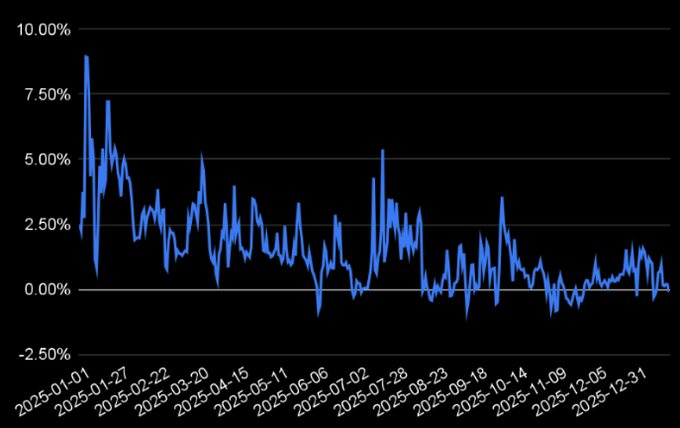
Morpho’s USDC rates on blue-chip vaults are generally higher than Aave’s USDC supply rate. Over the past year, Gauntlet Prime on Ethereum, a low risk vault on Morpho, has delivered, on average, 150 bps more than Aave USDC.
By Silvio Busonero ·

What drives the Aave-Morpho rate spread
Morpho’s USDC rates on blue-chip vaults are generally higher than Aave’s USDC supply rate. Over the past year, Gauntlet Prime on Ethereum, a low risk vault on Morpho, has delivered, on average, 150 bps more than Aave USDC.
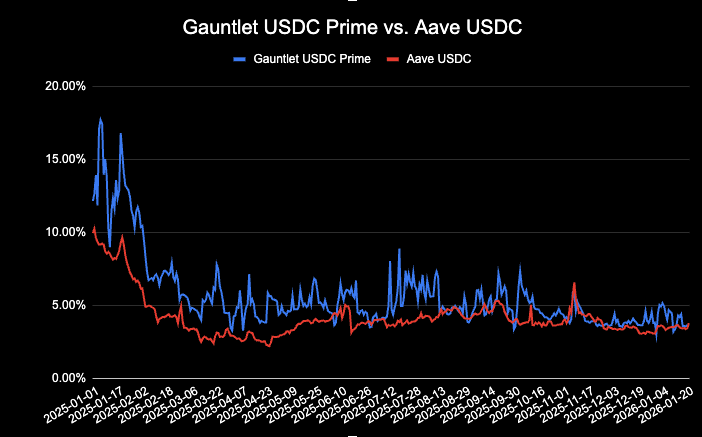
This spread even increases for other low risk vaults:
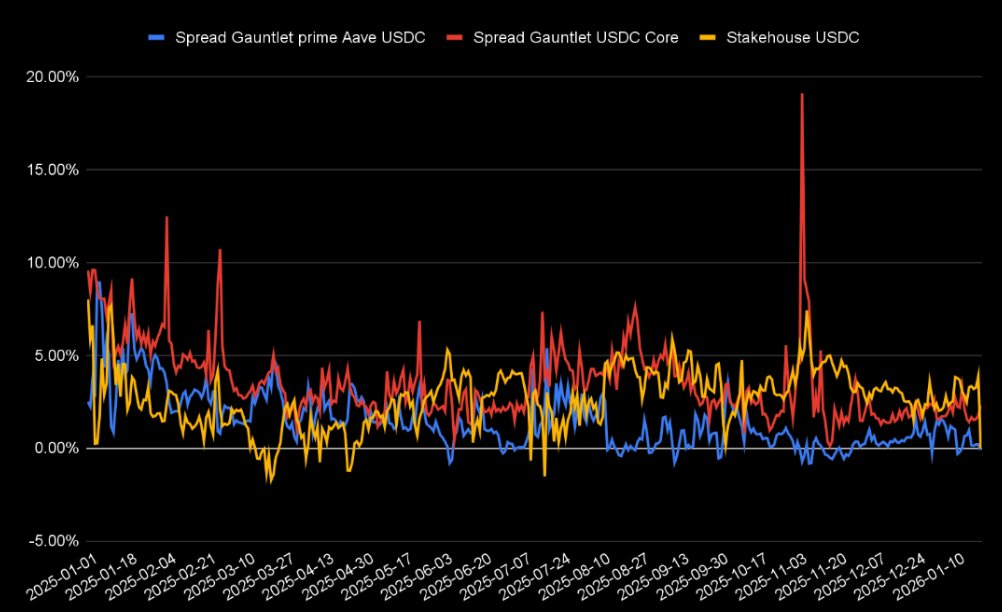
This is puzzling:
- Both protocols are battle tested and while Aave could have a lindy and reputation premium, it is hard to justify such large discrepancies.
- From a lender perspective, one could even argue that collateral composition is even riskier on Aave than on these blue chip vaults. So Aave should have higher rates.
- That said, fragmented liquidity markets can introduce their own risks (via lenders concentration) and this trade-off remains an open debate.
Let's try to understand what's driving this.
The collateral optionality premium
My immediate thought has been that collateral optionality on Aave matters.
In practice USDC lenders can use USDC as collateral to make liquidations less likely when they take loans. The theory is that Aave borrowers are less rate-sensitive because they’re buying flexibility, not just capital.
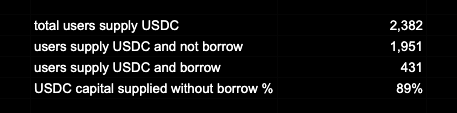
But data says otherwise, as almost 90% of USDC supply on Aave is not used as collateral:
So this is only a part of the picture.
User composition
My view on user base differences after some onchain investigation:
- Some of the top USDC suppliers on Aave include protocols such as Cap, Spark, Resolv, and Summer dot fi, as well as DATs like Ethermine and DeFi middleware like Kiln. There are also large whales that allocate to Morpho.
- Morpho, by contrast, is generally more concentrated among a smaller set of large funds and partnerships enabled by CEXs and fintechs, with relatively less protocol presence.
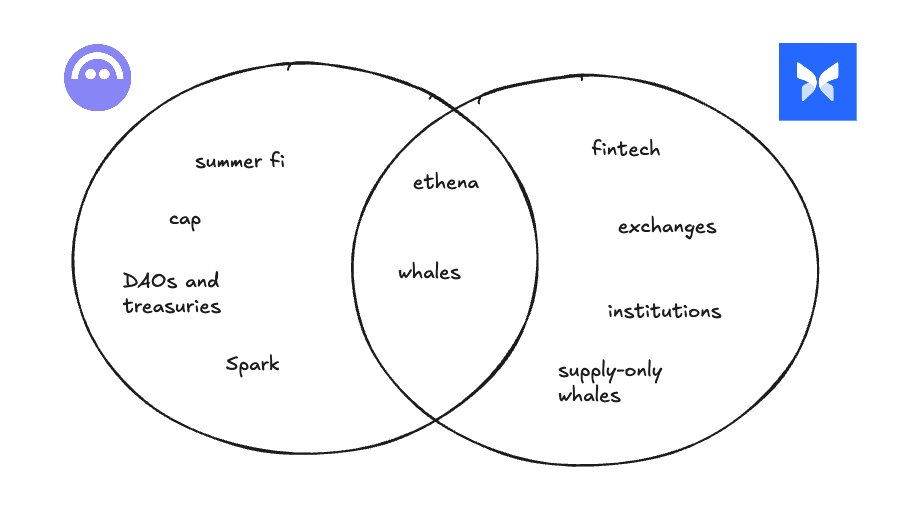
Morpho has been killing it with BD partnerships, especially on the fintech side for custom market needs, while Aave remains a stronger choice for protocols to build on, as it provides large capacity with relatively lower maintenance.
My guess is also that curators are increasingly selling directly to institutions rather than crypto protocols, while some partnerships deliver high utilization (see the Coinbase cbBTC market) on the demand side.
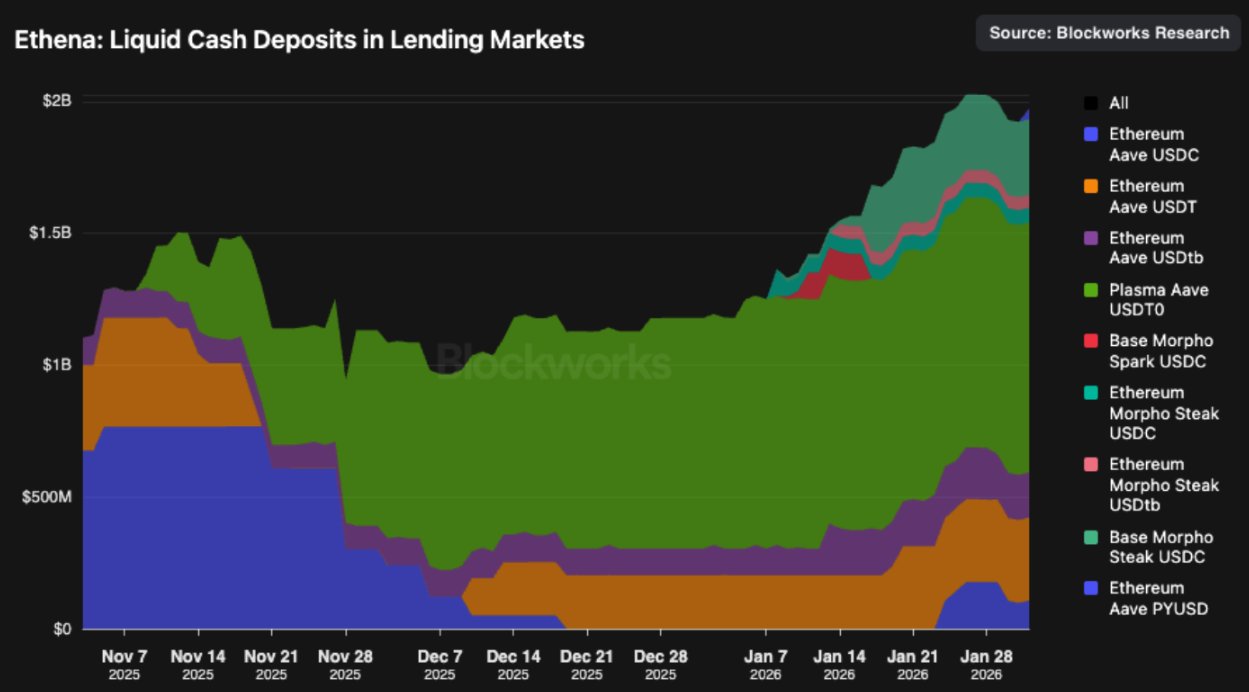
That said, market preferences can change. An example is Ethena allocating to both Aave and Morpho:
Market structure
Rates are not the only allocation drivers - Aave and Morpho are two different products afterall.
- Trade-offs for large allocators: The existence of multiple USDC strategies and numerous allocation options on Morpho, while offering choice and customization, can add a friction to builders and allocators.
- Limited Spread Trading: There are no products in the market to trade lending market spreads. One way would be to borrow on Aave and allocate to higher risk vault, but it’s a trade with relatively low margins.
Blue chip rates will converge
We’ve seen some reasons that could explain the discrepancy between blue chip rates.
While its hard to pinpoint a single specific reason, looks like user composition and market structure are the best candidate.
That said, I think rates for Morpho blue chip vaults and Aave USDC should converge, as allocators become more comfortable with vault abstractions.
Back to Insights
Newsletter
The Breakdown
Decoding crypto and the markets. Daily, with Byron Gilliam.
Blockworks Research
Unlock crypto's most powerful research platform.
Our research packs a punch and gives you actionable takeaways for each topic.
Blockworks Inc.
133 W 19th St., New York, NY 10011
Blockworks Network